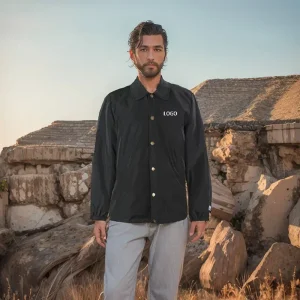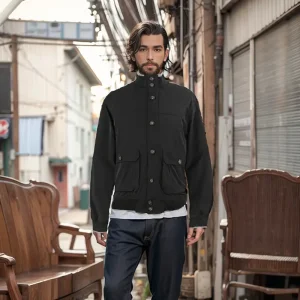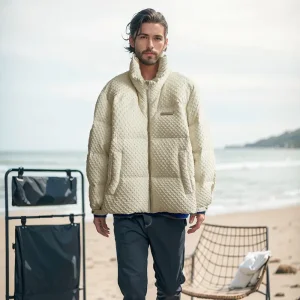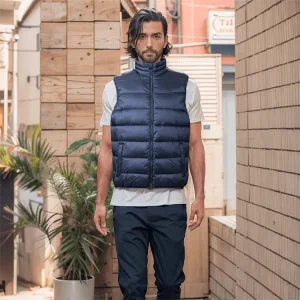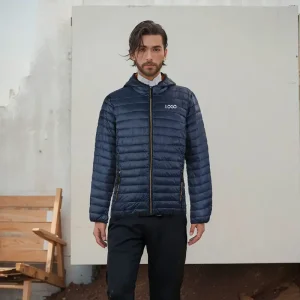
Namibia is strategically positioned as a premier trade gateway to the Southern African Development Community (SADC). With massive developmental projects underway in the Port of Walvis Bay, expanding uranium mines in the Erongo Region, and intensive diamond and zinc extraction in the south, Namibian enterprises face unique environmental challenges. The nation’s climate is characterized by extreme temperature fluctuations: scorching, arid days in the Namib Desert followed by freezing nights, alongside damp, foggy, and wind-whipped conditions along the Atlantic coastline.
For operations managers and industrial supply directors across Windhoek, Swakopmund, and Lüderitz, procurement of high-performance protective wear is vital. Workers in mining, offshore fishing, cold-chain logistics, and heavy construction demand garments designed to withstand these variables. Standard workwear fails in these conditions, resulting in worker fatigue and decreased productivity. This is where high-quality technical apparel, such as windproof jackets, insulated puffer coats, and breathable rainproof gear, plays an essential role.
To support this growing market, Shanghai Zhongda Wincome brings international textile innovation and robust Industry 4.0 production capacities to Namibian businesses. We bridge the gap between heavy-duty protection and lightweight comfort, offering customized OEM and ODM outerwears tailored to the exact requirements of southern Africa's harshest working environments.
The cold Benguela Current creates high-velocity winds laden with corrosive salt fog along the Namibian coast. Jackets must feature marine-grade DWR (Durable Water Repellent) coatings and sealed seams.
Namibian high altitude and desert terrain produce diurnal temperature swings of up to 20°C. Layered puffer coats and zip-off gilets allow personnel to adjust dynamically.
Uranium, diamond, and salt mining operations subject apparel to high abrasion. We incorporate double-stitched heavy ripstop fabrics and robust YKK zipper closures.
Established in April 2003, SHANGHAI ZHONGDA WINCOME is a member enterprise of the Zhongda Group Co., Ltd., one of the world's top 500 companies. With a registered capital of 182 million yuan, our operations span multiple continents, supported by nearly 400 core specialists at our headquarters, 12 international trading subsidiaries, an independent international logistics firm, and a dedicated logistics branch in Hong Kong.
Our long-term brand authority is demonstrated by our industry standing: in 2015, we were ranked 36th among the top exporting enterprises in the national textile and apparel industry. We possess the scale, financial stability, and technical infrastructure required to secure supply chains for large-scale mining concessions, shipping operations, and retail groups in Namibia.
Global supply chain volatility presents challenges for southern African businesses. Delays in raw material sourcing and ocean freight bottlenecks can disrupt operations. Shanghai Zhongda Wincome addresses these challenges through Industry 4.0 integration, enhancing supply chain resilience and delivery speeds for Namibian buyers.
Our manufacturing centers employ automated smart systems, including CAD digital pattern grading, automated fabric defect-detecting scanners, laser-guided material cutters, and cloud-integrated ERP tracking. These digital systems deliver three key advantages for buyers:
Digital nesting software arranges pattern shapes on fabric rolls with millimeter precision. This reduces textile waste by up to 14%, passing direct raw material savings on to clients in Namibia.
By utilizing 3D digital garment modeling, we can design, adjust, and review fit iterations virtually. This compresses the sample development timeline from weeks to days.
Our integrated ERP platforms coordinate fabric mills, trim dye houses, and sewing lines. This allows us to offer transparent updates on production status, ensuring containers ship on schedule.
We execute a structured Standard Operating Procedure (SOP) for every order, ensuring quality compliance at every stage of production.
We review your localized environment requirements—such as temperature variations in Lüderitz or abrasive dust in Erongo mines—and translate them into detailed technical specifications for fabrics and fits.
We source raw fabrics from certified mills, verifying parameters like hydrostatic water column pressure, breathability (g/m²/24hr), and abrasion resistance to ensure performance in Namibia's climate.
We procure heavy-duty closures, including salt-water resistant nylon zippers, snap fasteners, and high-visibility reflective elements (compliant with EN ISO 20471 safety standards).
Using digital design systems, we build patterns that optimize movement for active work, tailoring fits for comfortable wear during long shifts.
We construct physical samples for hands-on evaluation by your procurement team, confirming fitting accuracy, insulation performance, and overall utility.
For custom panels or linings, we use digital dye sublimation or screen printing systems to ensure wash-fast colors that resist fading under Namibia’s UV exposure.
Your company logos and safety designations are embroidered using poly-neon threads that resist fading and wear, even after repeated industrial cleanings.
Computerized cutting tools slice raw fabric panels to exact specifications, ensuring zero variation in sizing and fit across high-volume production runs.
Garments are assembled on designated production lines. Stress points are reinforced with bar-tacking, and seams are double-stitched or taped for durability.
For rain and cold-weather jackets, polyurethane seam tapes are applied under heat and pressure to block moisture from entering through needle punctures.
Every jacket is hand-inspected for loose threads, functionality of closures, and cosmetic flaws, ensuring consistent quality control standards.
Garments are packed in protective cartons and loaded for secure transport, managing customs clearances for transit to the Port of Walvis Bay or Windhoek airport.
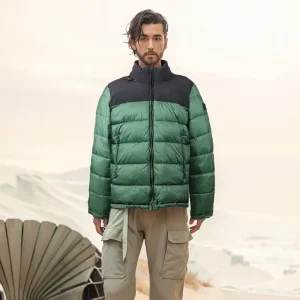
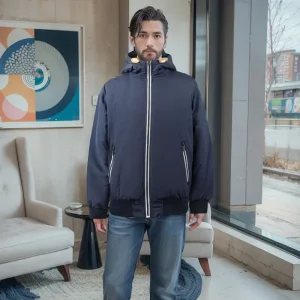
In addition to standard factory supply, we work closely with Namibian industry stakeholders to customize technical outerwear designs for specific local conditions:
At Walvis Bay and Lüderitz, crews handle cold-chain goods and work outdoors in chilly ocean winds. Our waterproof puffers and heavy-duty gilets provide wind protection, insulation, and freedom of movement, helping workers stay warm and productive.
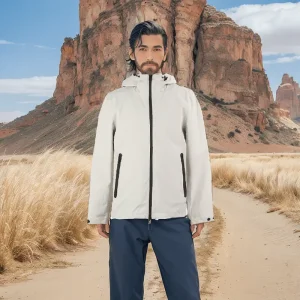
Desert mining sites feature dusty, dry conditions with sharp daily temperature shifts. Our breathable, wind-resistant softshell jackets block dust and light moisture while ensuring comfortable airflow during intense daytime heat.
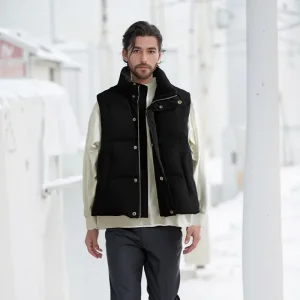
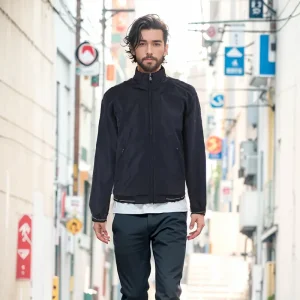
Long-haul drivers crossing the Trans-Kalahari Corridor encounter varied weather conditions. Our lightweight windbreakers and packable down vests offer versatile protection, keeping drivers comfortable through changing microclimates.
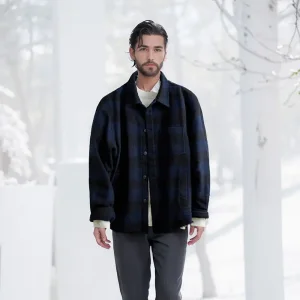
Highland areas like Windhoek and Gobabis experience cold winter nights. Our flannel shirt jackets and insulated vests offer warm protection, suited for agricultural and outdoor jobs.







Contact our tech-driven apparel engineering team today. Get professional design layouts, fabric certifications, and competitive bulk pricing estimates tailored to your operations in Namibia.
Send Inquiry Now Zhongda Wincome