Buying Men's Winter Jackets across borders is not simply a matter of choosing the thickest coat. Weather, insulation, sizing, materials, and local regulations can change the right decision. A jacket designed for a snowy Canadian commute may feel uncomfortable during a wet European winter. A lightweight Japanese model may fit beautifully, yet provide limited protection during a northern expedition.
This guide, “7 Tips for Buying Men's Winter Jackets Globally,” examines practical details that online shoppers often miss. It considers down fill power, synthetic insulation, waterproof ratings, wind resistance, hood design, cuff adjustment, and garment durability. Small features matter. A storm flap can block icy air. A two-way zipper can make cycling easier. A poorly measured sleeve can ruin an otherwise excellent purchase.
Yvon Chouinard, Patagonia’s founder and a respected outdoor-industry authority, once said, “The more you know, the less you need.” That principle suits winter clothing. Buyers should understand their climate and daily routine before chasing expensive technology. Product labels help, but they do not tell the whole story. Marketing language can sound impressive. Sometimes, it hides basic weaknesses.
Personal experience also matters. Try moving your arms while wearing a sweater. Check whether the pockets remain usable with gloves. Read return conditions before international payment. Taxes, delivery delays, and different sizing systems may create unwelcome surprises. No buying guide removes every compromise. Still, careful comparison can reduce costly mistakes and lead to a warmer, more reliable choice.
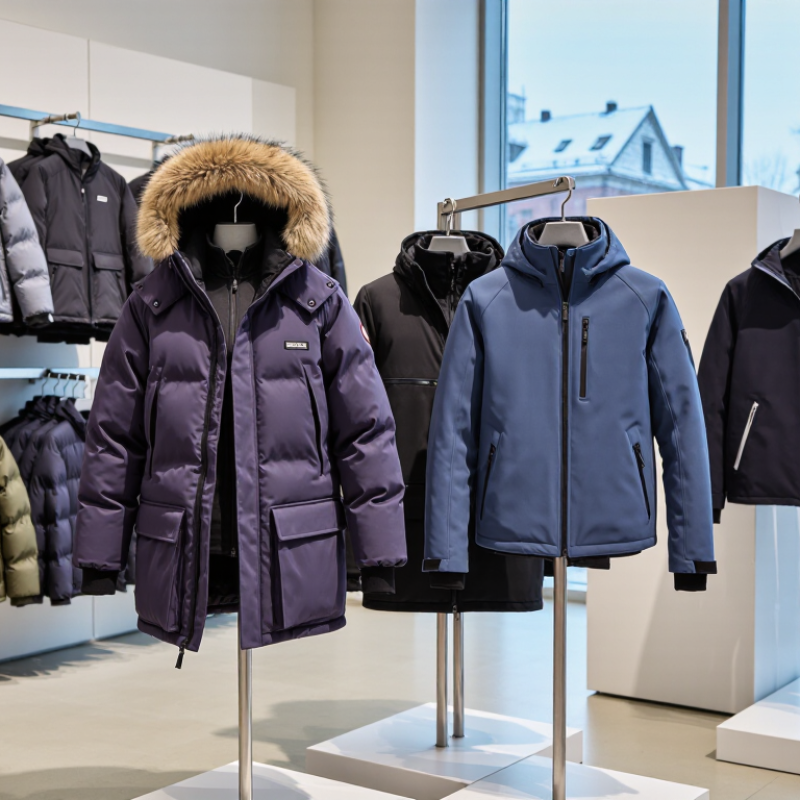
Before buying a men’s winter jacket, define the weather it must handle. A dry continental winter needs insulation against freezing air, while a coastal winter demands wind and rain protection. Humid cold can feel harsher than the thermometer suggests. Check typical temperatures, snowfall, rainfall, and wind in your destination.
Tip: Write down three conditions you expect most.
Your daily routine matters too. A commuter may need a water-resistant shell, secure pockets, and easy movement on crowded transport. Someone walking outdoors for hours needs stronger insulation and adjustable cuffs. Choose enough room for a sweater, but avoid excessive space that lets warm air escape. Try the jacket while lifting your arms. The hem should stay near your hips, and the collar should close without pressing your throat.
Tip: Test it with your real winter layers.
Material performance deserves careful attention. Look for insulation suited to your climate, not merely the thickest filling. Down can feel warm and light, but damp conditions require dependable moisture management. Synthetic insulation often dries faster, though it may feel bulkier. A hood, storm flap, and sealed seams can matter more than appearance during wet, windy travel.
I once underestimated wind chill and bought a jacket that felt warm indoors but failed outside. That mistake changed my buying checklist. Temperature ratings are useful, but personal activity, clothing layers, and local weather create different results. Leave room for movement, yet question every feature you may never use.
Use the lowest temperature you regularly experience—not the seasonal average—to choose insulation, layering capacity, and protection against wind or moisture.
How to read the chart: These planning reference points represent common winter climate ranges. For temperatures below −20°C, prioritize high insulation, wind protection, and room for base and mid-layers. Around −5°C to 5°C, a versatile insulated jacket with water resistance is usually more practical. In wet climates, prioritize a waterproof outer shell even when temperatures are relatively mild.
Compare insulation before comparing prices. Down usually offers excellent warmth with less weight, especially in dry, freezing climates. Check the fill power and fill weight, because one number alone can mislead. Synthetic insulation performs better in damp conditions and dries faster. It may feel bulkier, though. Choose insulation for your actual weather, not the coldest place on the map.
Examine the outer material closely. A tightly woven shell can resist wind, while treated fabrics help shed light rain. Look for sealed seams, storm flaps, and a reliable hood when frequent showers or snow are expected. Water resistance is not waterproofing. Check the garment’s tested waterproof rating when available. Breathability matters during walking, cycling, or climbing stairs. A jacket that traps sweat can become cold later. Layering space also matters; a perfect fit over a thin shirt may fail over a sweater.
Test the small details. Adjustable cuffs, a covered zipper, and a secure hem reduce heat loss. Check pocket placement while wearing gloves. Review the care label and local temperature conditions before ordering internationally. Sizing can vary greatly between regions. I once focused too heavily on insulation and ignored wind protection. That mistake made a warm jacket uncomfortable outdoors. No design handles every climate perfectly, so compare materials, moisture control, and construction together.
Fit should allow movement without trapping large air gaps. Measure your chest while wearing the thickest planned midlayer. Then compare those measurements with the seller’s size chart, not only the letter size. ISO 8559-1 provides standardized body-measurement methods, but regional sizing still varies.
A medium in one market may feel tight elsewhere. Check shoulder seams, sleeve reach, and hem coverage. You should raise both arms comfortably. Slightly imperfect fit is better than a rigid, fashionable cut.
The NRF and Appriss Retail reported $743 billion in U.S. retail returns during 2023, equal to 14.5% of sales. Poor fit is not the only cause, but careful measuring can reduce avoidable returns.
Choose features for your climate and daily routine. A storm flap, adjustable cuffs, and a secure hood help block wind around buses, bike handles, and wet sidewalks. For rain, inspect the fabric’s waterproof rating and seam construction.
For dry cold, prioritize insulation, breathability, and a smooth lining. ASTM F2732 evaluates thermal comfort using clo values, yet warmth changes with activity, wind, humidity, and layers.
Build space for a moisture-managing base layer and a flexible midlayer. Do not size up blindly. Too much room can reduce control and create cold pockets.
Pocket placement matters too; bulky gloves should not pull the jacket forward. Test the zipper with one hand.
Small details reveal practical quality.
When buying men’s winter jackets across borders, inspect construction before chasing discounts. I check seam density, zipper movement, lining strength, and insulation distribution by hand. A jacket can look thick online yet leave cold spots around the shoulders. Ask for fiber content, fill weight, temperature guidance, and close photographs of cuffs. Water resistance is not waterproofing. That distinction matters in wet snow.
Sustainability needs evidence, not green language. Look for material percentages, recycled-content records, responsible down documentation, and repair options. A durable shell often creates less waste than a cheap replacement. Still, recycled fabric can have weak coatings or poor abrasion resistance. I learned this after a jacket developed sleeve wear during one long commute. My judgment was too optimistic. Consider washing instructions, local repair access, packaging, and the environmental cost of international delivery.
Compare the complete price, including shipping, taxes, currency conversion, and possible return postage. The lowest listing is rarely the lowest final cost. For seller reliability, verify a physical business address, clear contact details, realistic delivery dates, and a readable return policy. Study recent independent reviews, especially comments about sizing and refunds. Use the seller’s measurement chart, not your usual size. A responsive seller should answer technical questions precisely. Vague replies deserve caution. Keep invoices, product descriptions, and messages until the fit survives real winter use.
| Tip | What to Check | Practical Benchmark | Reliable Data or Proof | Buyer Action |
|---|---|---|---|---|
| 1 | Match insulation to the climate | For cold urban winters, look for a substantial synthetic or down-filled construction. Down fill power commonly ranges from approximately 550 to 900; higher fill power generally provides more warmth for the same weight. | The product specification should state the insulation type, fill weight, and, for down, the fill-power rating. A temperature rating should be treated as guidance because wind, humidity, activity level, and layering affect comfort. | Select insulation based on the lowest expected temperature, wind exposure, and activity level rather than relying on the word “winter” alone. |
| 2 | Inspect shell and construction quality | A tightly woven outer fabric, reinforced high-wear areas, secure stitching, smooth zippers, adjustable cuffs, and a well-sealed hood are useful indicators of durability and weather protection. | Check close-up photographs, seam construction, zipper descriptions, fabric composition, and whether the hood, cuffs, hem, and pockets can be adjusted or repaired. | Avoid listings that show only lifestyle images or provide no material, seam, and hardware details. |
| 3 | Verify water and wind resistance | A stated hydrostatic-head value is more useful than “waterproof” marketing language. Around 5,000 mm can provide basic rain protection, while approximately 10,000–20,000 mm offers stronger protection when combined with sealed seams and a suitable construction. | Look for a hydrostatic-head result, durable water-repellent treatment information, seam-taping details, and a separate breathability value where available. | For wet or windy regions, prioritize sealed seams and a tested water-resistance rating instead of judging performance by fabric appearance. |
| 4 | Assess sustainability beyond recycled content | Recycled polyester or nylon can reduce reliance on virgin fossil-based feedstock, but overall impact also depends on product life, repairability, insulation sourcing, packaging, and end-of-life options. | Look for the percentage of recycled material, recognized down-welfare documentation where applicable, supplier-level material certificates, repair guidance, and clear care instructions. | Prefer a durable jacket that can be repaired and worn for many seasons over a low-cost item with vague environmental claims. |
| 5 | Compare the complete delivered price | A mid-market men's winter jacket often falls roughly within the US$80–US$400 retail range, while technical or highly insulated products may cost more. The final price can change substantially after shipping, tax, duty, and currency conversion. | Confirm the item price, shipping charge, estimated import duty, local sales tax or VAT, currency-conversion fee, and any return-shipping cost before payment. | Calculate the landed cost in the destination currency and compare it with equivalent local products, not just the advertised item price. |
| 6 | Check sizing and return practicality | Men's sizing is not globally standardized. Chest, shoulder, sleeve, back length, and recommended layering space are more dependable than a letter size such as M or L. | The listing should provide a measurement chart, measurement method, model measurements, return deadline, refund conditions, and information about who pays return shipping. | Measure a well-fitting jacket, compare the measurements directly, and confirm that the design allows the base and mid-layers you expect to wear. |
| 7 | Evaluate seller reliability and transaction safety | A dependable seller provides verifiable contact details, a physical business address where required, transparent policies, secure payment options, product traceability, and consistent recent customer feedback. | Review independent feedback, recent reviews with photographs, response quality, delivery history, warranty terms, dispute procedures, and whether the seller clearly identifies taxes and import responsibilities. | Use a payment method with buyer protection, keep the order records, and avoid sellers that pressure customers to pay outside the platform or provide incomplete policies. |
| Comparison note: Performance values and prices are indicative market benchmarks, not guarantees. Always verify the current technical specification, destination-country taxes, legal labeling requirements, and return terms before purchasing. | ||||
Check typical temperatures, wind, rain, and snowfall. Dry cold needs insulation. Coastal weather needs wind and rain protection. Humid cold can feel surprisingly harsh.
Down is warm and light in dry, freezing weather. Synthetic fill dries faster in damp conditions. It may feel bulkier. Choose for real weather, not the coldest map.
Look for a wind-resistant shell, sealed seams, a storm flap, and an adjustable hood. A covered zipper helps reduce heat loss. Water resistance is not waterproofing.
Measure your chest, shoulders, sleeves, and waist in centimeters. Wear a thin shirt while measuring. Test the jacket with your winter sweater. Lift your arms.
Leave room for one useful layer. Excess space can let warm air escape. The hem should stay near your hips. The collar should close comfortably.
Check adjustable cuffs, pocket placement, zipper coverage, and hem control. Wear gloves when testing pockets. Small details matter outside. I once ignored them.
Confirm the measurement chart, return deadline, return postage, customs fees, taxes, and brokerage charges. Check warehouse location and delivery zones. Tracking may not cover remote areas.
Calculate the full delivered cost. Include shipping, local taxes, customs, and possible return charges. Review fill weight, shell fabric, seam construction, and temperature guidance. “Extreme warmth” is too vague.
Buying Men’s Winter Jackets globally requires more than choosing a stylish design. Start by identifying your local climate, daily activities, and expected temperature range. Compare insulation types, outer materials, water resistance, wind protection, breathability, and durability to find a jacket suited to your conditions. Consider the fit carefully, allowing enough room for sweaters or other layers without restricting movement. Practical features such as adjustable hoods, secure pockets, storm cuffs, and ventilation can improve comfort and protection during winter travel or everyday use.
Before ordering internationally, review sizing charts and measurement instructions because standards vary by region. Confirm shipping times, return policies, duties, and product availability in your location. It is also important to assess stitching, zippers, lining, care requirements, and the seller’s reputation. Look for responsibly sourced materials and transparent product information while balancing quality with your budget. By evaluating climate needs, construction, fit, logistics, sustainability, price, and seller reliability together, you can make a confident and practical winter jacket purchase.

Zhongda Wincome