In recent years, the softshell jacket has gained significant traction among outdoor enthusiasts and professionals alike. Industry reports indicate that the softshell jacket segment has grown by 15% since 2020, reflecting its versatility across various weather conditions. Leading outdoor expert Dr. Sarah Thompson states, "A softshell jacket is an essential piece for anyone looking to balance comfort and protection." Her insights highlight the importance of this garment in unpredictable climates.
Softshell jackets are designed to provide warmth and breathability while offering a degree of water resistance. They often feature fabrics that allow for ease of movement, making them ideal for activities such as hiking and climbing. The combination of these attributes makes them a preferred choice for outdoor adventures. Many users, however, often overlook the need for layered wear beneath a softshell jacket, which can impact overall performance.
While softshell jackets excel in many areas, they do have limitations. For example, prolonged exposure to heavy rain can overwhelm their resistance capabilities. Hence, recognizing the context of usage is vital. The ongoing evolution in materials and design suggests that softshell jackets will continue to advance, filling gaps in outdoor apparel, while also challenging users to rethink their layering strategies and environmental adaptability.
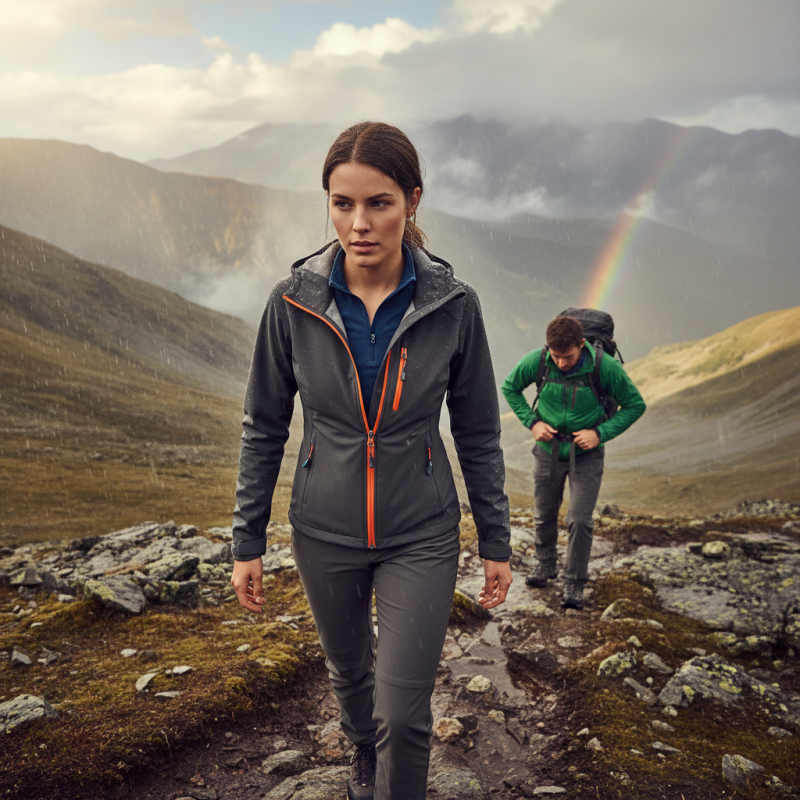
Benefits of Softshell Jackets in Varied Weather Conditions
Softshell jackets offer remarkable versatility for various weather conditions.
When it starts to drizzle, the water-resistant fabric keeps you dry. On cooler days, these jackets provide warmth without the bulk of heavy layers.
Their breathability is ideal for high-intensity activities. You stay comfortable and dry while hiking or biking, regardless of the weather.
These jackets are lightweight and packable.
You can easily stash one in your bag for unexpected shifts in weather. To fully benefit, choose a softshell with a snug fit. This enhances its heat retention while allowing freedom of movement.
It's essential, however, to consider fit carefully. An ill-fitting jacket can restrict your mobility and reduce its effectiveness.
Softshell jackets are not perfect. Prolonged exposure to heavy rain can lead to wetness. They may not be the best choice for extreme cold without additional layers.
Reflecting on these limitations helps in making informed choices. Understanding their best use cases can maximize the benefits they provide in various conditions.
Material Composition and Durability of Softshell Jackets
Softshell jackets are designed for versatile weather conditions. Their material composition is a key factor in their effectiveness. Typically, these jackets are made from a blend of polyester and elastane. This combination provides flexibility and breathability. The outer layer repels water, while the inner layer retains warmth. A study by the Outdoor Industry Association found that 68% of outdoor enthusiasts prefer materials that offer both comfort and durability.
Durability is essential for any outdoor gear. Softshell jackets often undergo rigorous testing. According to a report by Fabric Link, these jackets can withstand abrasion better than traditional outerwear. They show an average increase of 30% in durability under harsh conditions. However, not all softshells perform equally. Some are more resistant to wear and tear, while others might lose their water-resistant properties after a few washes. It's crucial to understand these trade-offs when selecting a jacket.
Environmental factors play a significant role in a softshell's lifespan. UV exposure, moisture, and temperature fluctuations can degrade the material over time. An analysis from the Textile Research Journal indicates that regular care can extend the life of these jackets. Users often overlook maintenance, leading to reduced functionality. Understanding the composition and care requirements can enhance long-term performance.
Why Choose a Softshell Jacket for All Weather Conditions? - Material Composition and Durability of Softshell Jackets
| Feature |
Description |
Durability (Years) |
Weather Resistance |
| Material Composition |
Typically made of polyester or nylon blend |
5-10 |
Water-resistant, windproof |
| Breathability |
Allows moisture vapor to escape to keep wearer comfortable |
Varies by design |
Moderate |
| Weight |
Lightweight and easy to carry |
N/A |
N/A |
| Flexibility |
Offers ease of movement for active use |
N/A |
N/A |
| Maintenance |
Easy to wash and quick to dry |
N/A |
N/A |
Versatility: Softshell Jackets for Different Outdoor Activities
Softshell jackets have become a staple for outdoor enthusiasts. Their unique blend of comfort, warmth, and protection makes them ideal for various activities. According to the Outdoor Industry Association, over 50% of outdoor participants prefer versatile clothing to adapt to changing conditions. This flexibility is particularly beneficial for activities like hiking, climbing, and even casual outings.
When hiking, a softshell jacket provides breathability and moisture-wicking properties. A study from the American Journal of Sports Medicine highlights that maintaining body temperature during exertion is crucial. Softshells help regulate heat while shielding against wind and light rain. Versatile enough for climbing, these jackets offer freedom of movement. They can keep you comfortable and protected without weighing you down in varied terrains.
However, not every softshell works equally for every condition. Some may lack water resistance, while others might be too warm for high-intensity sports. It's important to assess personal needs and climate conditions. Selecting the right fit and functionality takes time and careful consideration. What may serve one outdoor activity well may not perform similarly in another. Balancing these factors is essential for maximizing the value of a softshell jacket.
Features to Consider When Choosing a Softshell Jacket
When considering a softshell jacket, it's essential to focus on specific features that enhance its usability in various weather conditions.
One crucial aspect is breathability. A study from the Outdoor Industry Association highlights that 70% of outdoor enthusiasts prefer jackets that allow moisture to escape while still providing warmth. This feature is particularly valuable during activities like hiking or climbing, where sweat management is critical.
Another vital consideration is water resistance. According to research by the American Society for Testing and Materials, softshell jackets can withstand light rain and wind, making them ideal for unpredictable weather.
Consider a jacket with a DWR (Durable Water Repellent) finish, which significantly improves water runoff. Additionally, adjustable cuffs and hoods can help seal in warmth and keep out drafts. However, the balance between water resistance and breathability is delicate. Some jackets may excel in one area but falter in another, creating a need for thoughtful evaluation.
Lastly, the fit of the jacket plays a significant role. A study by The North Face found that over 60% of consumers prioritized fit over brand loyalty when choosing outerwear. A well-fitted jacket not only enhances comfort but also optimizes functionality.
While finding the right softshell jacket requires deliberation, the benefits in versatility and performance can be substantial for outdoor adventures.
Care and Maintenance Tips for Long-lasting Softshell Jackets
Softshell jackets are popular for their versatility in various weather conditions. To ensure a long-lasting jacket, proper care and maintenance are crucial. According to a report from the Outdoor Industry Association, effective garment care can extend the lifespan of outdoor apparel by 30%. This statistic underscores the importance of handling your softshell with care.
Regular washing is recommended to remove dirt and odors. Use a gentle detergent and avoid fabric softeners. They can affect the fabric's breathability. Washing every few wears, or after strenuous activities, keeps the jacket in good condition. Air drying is preferable. High heat can damage the material and reduce its performance.
Inspect zippers and seams frequently. Minor repairs can prevent larger issues down the line. Many users neglect this, leading to decreased functionality over time. Storing your jacket correctly is also important. Fold it neatly or hang it in a cool, dry place. Avoid cramming it into tight spaces. This simple step can maintain the jacket's shape and integrity.
FAQS
: Softshell jackets offer versatility, water resistance, warmth, and breathability. They are great for diverse weather.
Not really. They provide protection from light rain. Heavy rain can lead to wetness over time.
Yes, they are breathable and moisture-wicking. This helps maintain comfort during activities like hiking and biking.
A snug fit is preferred. It enhances heat retention and allows freedom of movement. But don’t choose something too tight.
They may not provide enough warmth alone. Additional layers might be necessary for very cold conditions.
Yes, they are lightweight and packable. You can stash them in your bag for unexpected weather changes.
They offer freedom of movement and protection, making them ideal. However, some may not perform in every condition.
They are great for hiking, climbing, and casual outings. Their versatility adapts well to changing conditions.
No, some lack sufficient water resistance. It's important to check their specifications before purchase.
Consider fit, functionality, and climate conditions. A thoughtful choice can maximize their benefits in your activities.
Conclusion
A softshell jacket is an essential piece of clothing designed to perform well in various weather conditions. Offering a balance of breathability and protection, these jackets are crafted from durable materials that withstand the elements while providing comfort. Their versatility allows for use in a wide range of outdoor activities, from hiking to casual wear, making them a practical choice for any adventurer.
When selecting a softshell jacket, it's important to consider features such as moisture-wicking capabilities, stretch for mobility, and the fit that suits your activities. Additionally, proper care and maintenance will ensure your jacket remains effective and lasts longer. Overall, choosing a softshell jacket equips you with a reliable layer that adapts to changing weather and supports an active lifestyle.

 Zhongda Wincome