Choosing the right Men's Waterproof Jacket is not simply about finding the highest waterproof rating. A jacket may resist heavy rain yet feel clammy during a steep hike. It may look impressive online but restrict your shoulders when you reach for a trekking pole. Real performance depends on fabric construction, seam sealing, hood design, breathability, fit, and intended use.
Think about the conditions you regularly face. A commuter cycling through cold drizzle needs different protection from a climber crossing exposed ridges. Check hydrostatic head ratings, but do not treat numbers as the whole story. A reliable jacket should protect the shoulders, cuffs, and zipper area, where rain often finds small weaknesses. Look for adjustable hoods, practical pockets, and ventilation features that work while moving.
Details matter.
My own testing has shown that comfort can change after twenty minutes of steady walking. A stiff collar may irritate the neck, while a narrow sleeve can make layering frustrating. Still, no jacket performs perfectly in every environment. Breathability claims can vary with temperature, effort, and humidity. That limitation deserves honest attention.
This guide explains how to compare materials, construction quality, fit, durability, and value. It also considers maintenance, because neglected waterproof clothing gradually loses performance. A careful choice should match your climate, activity level, and budget rather than follow a fashionable label. Expect practical advice, measurable features, and a few reminders that even experienced buyers can overlook.
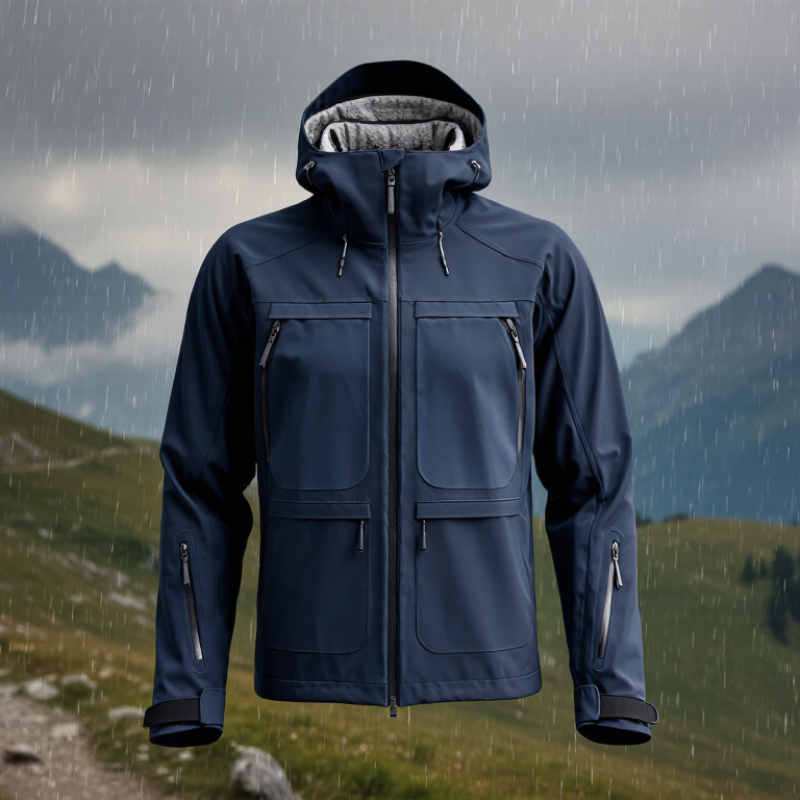
How to Choose the Best Men's Waterproof Jacket
Define the weather and activities your jacket must handle before comparing features. Light drizzle during city travel needs less protection than cold, driving rain on a mountain trail. For frequent storms, choose sealed seams, a waterproof membrane, and an adjustable hood. Check the jacket’s waterproof rating, but remember that test results do not fully describe real comfort. Wind changes the experience quickly.
Your activity also determines the fit. A hiking jacket should allow room for a warm layer and natural arm movement. A cycling jacket may need a longer back and reflective details. For daily commuting, useful pockets and quiet fabric can matter more than extreme performance. I once chose a very protective jacket that felt stiff on short walks. That mistake taught me to match protection with actual use, not imagined adventures. Breathability matters during steep climbs, although no waterproof jacket stays perfectly comfortable during hard exercise.
Tips: Stand outside briefly in your usual layers before buying. Lift your arms, bend forward, and check the hood with a cap underneath. Inspect the cuffs and hem for gaps. Read care instructions carefully, because poor washing can reduce water resistance. Test the zipper with cold fingers. Small details become important in bad weather.
| Weather or Activity | Typical Conditions | Recommended Waterproof Rating | Breathability and Ventilation | Construction Features to Look For | Best Jacket Structure |
|---|---|---|---|---|---|
| Light Urban Rain | Short showers, paved surfaces, low physical activity, temperatures generally above 10°C / 50°F. | 5,000–10,000 mm hydrostatic head. | Moderate breathability is usually sufficient; mesh-lined pockets can provide limited airflow. | Adjustable hood, water-resistant zippers or storm flap, two secure hand pockets, and a durable water-repellent outer finish. | Lightweight unlined shell or 2-layer construction for easy everyday wear. |
| Persistent Heavy Rain | Several hours of steady rain, wet public transport or commuting, strong surface splash. | 10,000–20,000 mm; higher values provide more protection under prolonged pressure. | Choose a breathable membrane or coated fabric with pit zips or other mechanical ventilation. | Fully taped seams, waterproof front zip, adjustable cuffs, drawcord hem, and a hood with brim adjustment. | 2.5-layer or 3-layer shell for a good balance of weather protection and packability. |
| Day Hiking | Changing weather, uphill exertion, backpack friction, wind, rain, and occasional brush contact. | 10,000–20,000 mm for most three-season hikes. | High breathability is important; prioritize pit zips, a two-way front zip, or torso vents. | Fully taped seams, articulated sleeves, helmet-compatible or adjustable hood, high hand pockets, and abrasion-resistant shoulders. | Lightweight 3-layer shell or robust 2.5-layer shell with enough room for a mid-layer. |
| Fast Hiking and Trail Running | High heart rate, rapid movement, light pack or no pack, frequent transitions between rain and dry weather. | 10,000 mm or higher, depending on rainfall duration and exposure. | Very high breathability and low weight are priorities; ventilation openings are highly valuable. | Minimal design, elastic cuffs, adjustable hood, compact stowability, articulated patterning, and low-bulk pockets. | Ultralight 2.5-layer or 3-layer shell; avoid unnecessary insulation and heavy hardware. |
| Cold Rain and Wind | Low temperatures, wind chill, cold rain, and moderate outdoor activity. | 10,000–20,000 mm for sustained wet and windy conditions. | Moderate to high breathability helps prevent moisture buildup when layering. | High collar, adjustable hood, internal storm flap, snug cuffs, hem adjustment, and room for a fleece or insulated layer. | Uninsulated waterproof shell worn over warm layers, providing greater year-round flexibility. |
| Heavy Snow and Alpine Use | Blowing snow, strong wind, cold temperatures, frequent contact with snow, and technical movement. | 20,000 mm or higher for demanding exposure and prolonged contact with snow. | High breathability with large pit zips is preferred during climbs and high-output activity. | Helmet-compatible hood, powder skirt or snow-resistant hem, glove-friendly adjusters, reinforced shoulders, and fully taped seams. | Durable 3-layer shell with room for thermal layers; insulation should normally be supplied by separate layers. |
| Cycling and Commuting | Forward-leaning posture, road spray, wind exposure, visibility concerns, and frequent starts and stops. | 10,000–15,000 mm for regular wet-weather commuting. | Moderate to high breathability; back vents or underarm zips help release heat. | Dropped rear hem, articulated sleeves, adjustable cuffs, reflective details, secure chest or back pockets, and a close-fitting hood. | Lightweight shell with a cycling-specific cut or a regular cut that does not restrict forward reach. |
| Travel and Packability | Unpredictable showers, limited luggage space, changing climates, and occasional outdoor use. | 5,000–10,000 mm for light to moderate rain; choose higher protection for wet destinations. | Moderate breathability is suitable when the jacket is used intermittently. | Low weight, compressible fabric, adjustable hood, secure pockets, durable water-repellent finish, and simple care requirements. | Packable 2.5-layer shell or lightweight 2-layer jacket without bulky insulation. |
Selection note: Waterproof ratings are laboratory indicators of fabric water resistance, while real-world performance also depends on seam taping, zipper design, hood coverage, fit, fabric durability, and maintenance of the outer water-repellent finish.
Match the jacket to real conditions. Light drizzle needs less protection than cold, driving rain. Frequent storms require sealed seams, a waterproof membrane, and an adjustable hood.
Hiking needs space for warm layers and natural arm movement. Cycling may need a longer back and reflective details. Commuting often benefits from quiet fabric and useful pockets.
No. A high rating cannot prevent leaks through weak seams or zippers. Inspect construction carefully. Numbers need context.
Breathability helps moisture escape during steep climbs. Lower resistance values usually indicate better moisture release. However, no waterproof jacket feels perfectly dry during hard exercise.
Wear your usual layers. Lift your arms and bend forward. Try the hood over a cap. Check cuffs and hem for gaps.
Look for a firm brim and secure adjustments. The hood should turn with your head. Check side vision carefully. Some impressive-looking hoods block it.
Check taped seams around the shoulders and underarms. Test the main zipper with cold fingers or gloves. Deep zipped pockets protect phones, keys, and maps.
Follow the washing instructions closely. Poor washing can reduce water resistance. Inspect seam tape after cleaning. Small maintenance mistakes matter.
Not necessarily. A highly protective shell may feel stiff on short walks. I once chose one that felt uncomfortable. Protection should match your actual routine.
Choosing the right Men's Waterproof Jacket starts with understanding the weather and activities it must handle. Consider whether you need protection for light rain, heavy storms, hiking, commuting, or everyday outdoor use. Compare waterproof ratings, fabric construction, and breathability to find a balance between staying dry and preventing uncomfortable heat buildup. A suitable jacket should also provide enough room for base layers without feeling bulky, while allowing natural movement during walking, climbing, or cycling.
Pay close attention to practical details such as an adjustable hood, sealed seams, reliable zippers, secure pockets, and cuffs that help block wind and rain. Durability is equally important, especially if the jacket will be used frequently or in demanding conditions. Check the care requirements before buying, since some materials need special washing or maintenance. Finally, assess the overall value by comparing weather protection, comfort, construction quality, versatility, and expected lifespan rather than focusing only on the initial price.

 Zhongda Wincome