How to Choose the Best Puffer Jacket Supplier?

Time:2026-09-07 Author:Henry
0%

Choosing the best Puffer Jacket supplier requires more than comparing prices on a spreadsheet. A reliable partner must prove performance, consistency, and responsible production. I have seen attractive samples fail after repeated compression, weak zipper testing, or sudden temperature changes. Small details matter.

Yvon Chouinard, Patagonia’s founder and a respected outdoor apparel leader, once said, “The more you know, the less you need.” That principle applies directly to supplier evaluation. Understand the jacket before signing a large order. Ask for the fill-power report, fabric composition, down or synthetic insulation details, and washing-test results. Check whether the supplier can provide traceability documents and relevant factory certifications. Do not accept vague promises.

Request several samples from different production batches. Measure stitching density, hood adjustment, cuff recovery, pocket strength, and warmth after compression. Place one jacket in a suitcase. Wear it during a cold, wet commute. Real use often reveals problems that showroom lighting hides. A supplier should also explain minimum order quantities, lead times, defect handling, packaging, and inspection procedures clearly.

Experience helps, but it can also create blind spots. A familiar factory may still change materials without approval. A low quote may hide thinner lining, inconsistent filling, or expensive rework. Ask uncomfortable questions early. Review test reports independently when possible. Visit the factory, or arrange a credible third-party audit. The best Puffer Jacket supplier is not always the cheapest or largest. It is the partner that communicates honestly, protects quality across repeat orders, and accepts measurable accountability. That standard takes time. It may prevent a costly mistake.
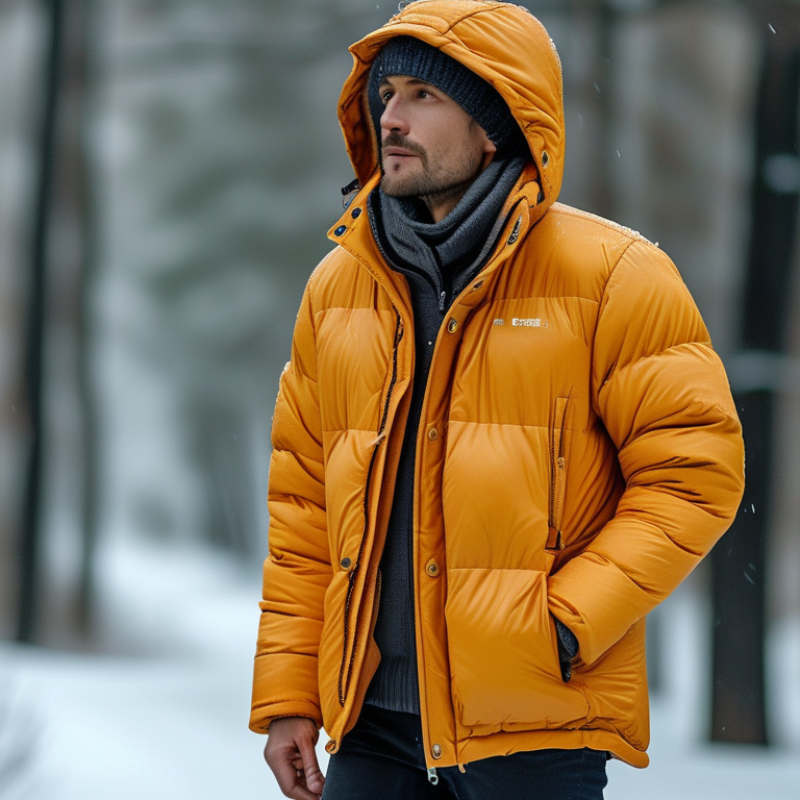
How to Choose the Best Puffer Jacket Supplier?

Define Your Puffer Jacket Requirements and Supplier Criteria

How to Choose the Best Puffer Jacket Supplier?

Define your puffer jacket requirements before contacting suppliers. Decide the intended climate, insulation type, target weight, color range, and size scale. A winter commuting jacket needs different performance from a lightweight travel style. Specify insulation fill power, fabric composition, water resistance, stitching density, zipper quality, and expected washing performance. Add measurable standards, not vague phrases like “premium quality.” Request a sample with a measurement chart, fabric swatches, and a real production timeline.

Evaluate suppliers through evidence and practical communication. Ask for recent sample photos, testing records, material traceability, and references from comparable projects. Check whether their factory can maintain consistent measurements across several production batches. Discuss minimum order quantities, revision costs, packaging, inspection procedures, and delivery risks. A video tour can help, but it cannot replace physical samples. I have seen attractive prototypes fail after washing because the filling shifted. That detail matters. Supplier selection is rarely perfect; production capacity may conflict with price or flexibility.

Tips: Prepare a one-page specification sheet. Test samples after washing. Compare warmth, seam strength, odor, and appearance. Ask difficult questions early. Keep written records of every change. If a supplier avoids clear answers, pause before paying a deposit. Your criteria should protect the jacket’s performance, your schedule, and the customer’s experience.

Verify Supplier Experience, Factory Capacity, and Product Expertise

How to Choose the Best Puffer Jacket Supplier?

Supplier experience should be measured through evidence, not polished presentations. Ask for proof. Review completed puffer projects, repeat-order records, and technician experience with down and synthetic insulation. Textile Exchange’s 2024 Materials Market Report states that global fiber production reached 124 million tonnes in 2023. This scale increases material competition and makes sourcing discipline essential. An experienced supplier should explain fill power, insulation weight, baffle design, and fabric performance clearly.

Factory capacity needs practical verification. Request production-line photos, machine lists, worker allocation, and monthly output records. Compare those figures with your expected order volume and delivery calendar. The International Trade Centre highlights production capacity and quality consistency as important factors in apparel sourcing decisions.

Check whether the factory performs heat-loss testing, seam inspections, washing trials, and final measurements internally. A supplier promising unlimited capacity deserves careful questioning.

Product expertise appears in small details.

Inspect sample stitching around the hood, cuffs, zipper, and pocket corners. Check whether insulation remains evenly distributed after compression. Ask for test reports covering colorfastness, shrinkage, water resistance, and down composition when applicable.

A supplier may show strong samples but weak bulk control. I have found that factory visits reveal unfinished work areas and unclear inspection records more quickly than online meetings. Do not ignore those gaps.

Numbers can mislead. A useful supplier accepts technical questions, documents mistakes, and adjusts production methods before bulk manufacturing begins.

Evaluate Materials, Insulation, Construction, and Customization Options

Choosing a puffer jacket supplier requires more than comparing prices. Material quality affects comfort, durability, and production consistency. Ask whether the shell uses tightly woven nylon or polyester with reliable tear resistance. Request fabric weight, water-repellent test results, colorfastness data, and fiber composition records. A glossy sample can look impressive, but it may hide weak seams or poor breathability.

Insulation needs careful checking. Ask for the fill type, fill-power range, fill weight, and recovery after compression. Down and synthetic insulation behave differently in humidity, washing, and storage. A higher fill-power number does not always create a warmer jacket. Pattern size, baffle design, and insulation distribution matter too. Request a washed sample and inspect cold spots around the shoulders, cuffs, and zipper. Small gaps become obvious outdoors. Suppliers should explain their testing methods and provide traceable batch records.

Construction reveals production discipline. Examine stitch density, zipper alignment, seam sealing, lining attachment, and hood adjustment. Pull the baffles gently; loose threads are warning signs. Customization should cover patterns, colors, trims, labels, packaging, and insulation levels. Confirm sample fees, minimum quantities, grading standards, and revision limits before approval. A detailed tech pack reduces confusion, although it will not solve every factory mistake. Keep room for a second fitting review. Real garments sometimes expose problems that drawings miss.

How to Choose the Best Puffer Jacket Supplier? - Evaluate Materials, Insulation, Construction, and Customization Options

Evaluation Dimension Recommended Benchmark What to Check with the Supplier Quality Indicators Potential Warning Signs
Shell Fabric Use tightly woven nylon or polyester with a suitable water-repellent finish. Common shell weights are approximately 35–80 g/m², depending on the product category. Request fiber composition, fabric weight, tear strength, seam-slippage results, and the intended water-repellent treatment. Even surface, consistent color, low fabric defect rate, stable dimensions after washing, and resistance to light rain. Unclear fiber content, excessive down leakage through the shell, visible weaving defects, or a finish that disappears after one wash.
Down Insulation For natural down, compare fill power, fill weight, down-to-feather ratio, moisture regain, and cleanliness. A fill power of about 600–800 is commonly used for mid- to high-performance garments. Ask for test reports covering fill power, composition, oxygen number or cleanliness, and species identification where applicable. Consistent loft, low odor, clean filling, accurate fill weight, and even distribution across all compartments. Only quoting a high fill-power number without test evidence, strong odor, clumping, or large differences between production lots.
Synthetic Insulation Select polyester-based fiberfill when wet-weather performance, easier care, or animal-free materials are priorities. Compare insulation weight, loft, recovery, and warmth retention after washing. Request fiber type, insulation weight in g/m², thermal testing method, wash-cycle performance, and recycled-content documentation if claimed. Fast drying, stable loft, limited fiber migration, good compression recovery, and consistent thickness throughout the garment. Uneven padding, permanent compression, exposed fiber edges, or unsupported claims about recycled content or thermal performance.
Warmth-to-Weight Performance Evaluate total garment weight together with insulation type, fill weight, fit, wind resistance, and intended temperature range. Insulation specifications alone do not determine final warmth. Request a complete sample specification, garment weight by size, insulation map, and the conditions used for any warmth claim. A clear relationship between garment weight, insulation quantity, construction, and the target use environment. Marketing temperature ratings without test conditions, sizing information, or details about base layers and activity level.
Baffle Construction Use stitched-through baffles for lighter, more packable styles; consider box or box-wall construction when minimizing cold spots is more important than reducing cost and weight. Review baffle width, insulation distribution, stitch density, internal barriers, and the construction used at the shoulders, side seams, and hem. Uniform loft, secure stitching, no empty areas, clean transitions at panels, and limited heat loss at seam lines. Thin or empty channels, irregular baffle sizes, loose threads, skipped stitches, or insulation migration between compartments.
Stitching and Seam Quality Seams should be straight, secure, and appropriate for the fabric and insulation. Critical areas require reinforcement, especially at armholes, pockets, zippers, and hood attachments. Ask for seam-strength standards, inspection procedures, stitch-per-inch or stitch-density guidelines, and photos of inside seam finishing. Consistent stitch length, reinforced stress points, neat thread trimming, and no needle damage or seam puckering. Open seams, exposed raw edges, skipped stitches, excessive puckering, or weak attachment points on pockets and straps.
Weather Protection For everyday outdoor use, combine a water-repellent shell with a well-covered front closure, adjustable cuffs, a close-fitting hood, and a hem that limits wind entry. Confirm water-repellent test results, zipper coverage, hood adjustment, cuff design, hem construction, and performance after laundering. Water beads on the surface, limited wind penetration, smooth zipper operation, and reliable adjustment hardware. Water-repellent claims without a test method, exposed zipper gaps, loose cuffs, or a hood that cannot be adjusted securely.
Customization Options A capable supplier should support custom color, fabric, insulation, quilting, labels, packaging, trims, and graded sizing within a documented development process. Confirm available materials, color-matching method, artwork requirements, sample stages, revision limits, tooling charges, and intellectual-property handling. Clear tech-pack communication, accurate samples, repeatable colors, documented approvals, and transparent development costs. Verbal specifications only, uncontrolled substitutions, unclear approval procedures, or inability to reproduce an approved sample.
Testing and Compliance Use independent or verifiable testing for colorfastness, dimensional stability, seam performance, restricted substances, insulation composition, and care-label accuracy. Request recent reports, test methods, sample identification, laboratory details, and a process for production-lot inspection. Reports match the actual materials and style, dates are current, and failed results trigger corrective action. Expired reports, generic documents, mismatched sample descriptions, or refusal to provide traceable testing information.
Production and Quality Control Prefer suppliers with incoming-material checks, first-piece approval, in-line inspections, final inspections, measurement records, and lot traceability. Ask about inspection checkpoints, acceptable quality limits, defect classification, corrective-action procedures, and inspection reports supplied with each order. Consistent measurements, stable insulation quantity, low defect recurrence, and documented actions when nonconformities occur. Only inspecting finished cartons, no written quality standard, weak traceability, or repeated defects between samples and bulk production.
Sampling and Lead Time The supplier should provide a realistic timeline covering material confirmation, pattern development, prototype sampling, revisions, pre-production approval, and bulk manufacturing. Request a written schedule, sample cost, revision policy, material reservation plan, and the expected impact of custom fabrics or trims. Milestones are measurable, delays are communicated early, and the final sample matches the approved specifications. Unrealistically short deadlines, unapproved material substitutions, unexplained delays, or pressure to start bulk production before approval.
Overall Supplier Scorecard Evaluate materials, insulation, construction, customization, testing, quality control, communication, and total landed cost together rather than selecting solely by unit price. Use a weighted scorecard and require objective evidence for every major claim before confirming the purchase order. Reliable documentation, consistent samples, transparent pricing, responsive communication, and repeatable bulk-production performance. Low price accompanied by vague specifications, missing test evidence, inconsistent samples, or unwillingness to accept measurable quality requirements.

Compare Quality Control Systems, Certifications, Pricing, and Lead Times

How to Choose the Best Puffer Jacket Supplier?

A reliable supplier should show a clear quality control system, not vague promises. Ask for evidence. Request inspection checklists for fabric, stitching, zipper function, filling weight, and finished measurements. During sampling, examine baffle consistency and test the jacket after repeated compression. I have found that small measurement differences can create large fitting problems in production. The supplier should explain how defects are recorded, corrected, and prevented. That process matters.

Certifications can support credibility, but they require careful checking. Confirm the certificate holder, validity date, covered factory, and relevant product scope. For down products, responsible sourcing certification may help verify material practices. Quality management certification can indicate documented factory procedures. However, a certificate does not replace your own inspection. Request recent audit documents when possible. Some paperwork looks impressive but answers very little.

Pricing should be compared by total value, not unit cost alone. Review fill power, down percentage, shell fabric, trims, packaging, testing, and payment terms. A low quote may exclude inspection or sample revisions. Lead times also need detail. Separate sample development, material purchasing, bulk production, and shipping. Ask what happens during peak season or when fabric arrives late. Add a realistic buffer. I once underestimated this buffer, and the launch schedule suffered. Supplier communication was not the only problem; my planning was weak too. Define approval deadlines, production updates, and acceptable tolerances before placing an order.

Confirm Samples, Contracts, Communication, and Long-Term Support

How to Choose the Best Puffer Jacket Supplier?

Confirm Samples, Contracts, Communication, and Long-Term Support

A reliable puffer jacket supplier should prove quality before discussing large orders. Request several samples in different sizes and colors. Check the stitching, zipper movement, filling distribution, and fabric recovery after compression. Place one sample in a travel bag overnight. Then inspect whether it keeps its shape. This small test often reveals weak construction. Ask for the filling type, fabric weight, measurement tolerance, and washing instructions. Technical answers should be clear, not vague.

Tips: Compare samples under the same light. Record every measurement. Ask who approved the materials. Keep written feedback with dates. A checklist helps, but it cannot replace physical inspection.

A detailed contract should cover pricing, quantities, delivery dates, packaging, inspection standards, and procedures for defective goods. Include approved sample photos and measurement charts. Communication matters just as much. Notice how quickly the supplier answers difficult questions. Good partners explain delays early and offer workable options. However, fast replies are not enough. I have seen polished communication hide poor follow-through. Confirm promises with production updates, inspection records, and shipment evidence. Long-term support should include replacement discussions, technical advice, and repeat-order consistency. Ask what happens when fabric availability changes. Ask who handles urgent problems. The answer may expose the real service level.

How to Choose the Best Puffer Jacket Supplier?

Evaluate suppliers across the four areas that most directly affect sourcing reliability: sample quality, contract clarity, communication performance, and long-term support. The weighted scores below provide a practical procurement framework rather than company- or brand-specific data.

How to use this chart: Confirm samples before placing an order, define quality and delivery terms in the contract, test communication during development, and verify after-sales support for repeat production.

FAQS

: How can I verify a puffer jacket supplier’s experience?

: Ask for completed project photos, repeat-order records, and technician experience. Request details about fill power, insulation weight, baffle design, and fabric performance. Real evidence matters more than polished presentations. Look closely.

How can I check factory production capacity?

Request production-line photos, machine lists, worker allocation, and monthly output records. Compare capacity with your order volume and delivery schedule. Ask whether the factory performs inspections internally. Promises are not proof.

What product details should I inspect in samples?

Examine stitching around hoods, cuffs, zippers, and pocket corners. Check whether insulation stays evenly distributed after compression. Test fabric recovery after folding or packing. Small details matter.

Which quality checks should a supplier provide?

Request checklists for fabric, stitching, zipper function, filling weight, and finished measurements. Ask how defects are recorded, corrected, and prevented. Review tests for colorfastness, shrinkage, water resistance, and material composition. Do not accept vague answers.

Are factory certifications enough to confirm quality?

No. Verify the certificate holder, validity date, factory, and product scope. A certificate can support credibility, but it cannot replace physical inspection. Request recent audit records when available. Paperwork may hide gaps.

How should I compare supplier prices?

Compare total value, not only the unit price. Review insulation quality, shell fabric, trims, packaging, testing, and payment terms. A low quote may exclude inspections or sample revisions. Cheap can become expensive.

How can I evaluate lead times realistically?

Separate sample development, material purchasing, bulk production, and shipping. Ask what happens during busy seasons or late fabric arrivals. Add a realistic buffer to the schedule. I once underestimated this buffer, and the launch suffered.

What should the contract and communication process include?

Include prices, quantities, delivery dates, packaging, inspection standards, and defective-goods procedures. Attach approved sample photos and measurement charts. Track promises through production updates, inspection records, and shipment evidence. Fast replies are not enough.

How can I test samples before placing a large order?

Request different sizes and colors under the same inspection conditions. Measure each sample and record the results with dates. Place one jacket in a travel bag overnight. Then check its shape, filling distribution, and zipper movement. My checklist was useful, but physical inspection revealed more.

Conclusion

Choosing the best Puffer Jacket supplier begins with clearly defining your product requirements, including target customers, styles, sizes, insulation levels, fabrics, colors, performance needs, and order quantities. Establish practical supplier criteria, then review each company’s experience, factory capacity, production equipment, workforce, and expertise in making similar products. Pay close attention to material quality, filling or insulation performance, stitching, zippers, labels, packaging, and available customization options to ensure the finished jacket matches your expectations.

A reliable evaluation should also include the supplier’s quality control procedures, testing capabilities, relevant certifications, pricing structure, minimum order quantities, and realistic lead times. Request samples before placing a large order, and assess their workmanship, sizing accuracy, comfort, and consistency. Clear contracts should define specifications, payment terms, delivery schedules, inspection standards, and solutions for defective goods. Finally, choose a supplier that communicates promptly, handles revisions professionally, and offers dependable after-sales support, because long-term cooperation depends on transparency, consistency, and shared commitment to product quality.


Henry

Henry

Henry is a dedicated marketing professional with a profound expertise in the company's offerings. With years of experience in the industry, he possesses an impressive understanding of the market dynamics and consumer behaviors that drive success. Henry is committed to sharing his insights through......