Choosing the right Duck Down Jacket is essential for warmth and comfort. As expert outdoor gear consultant Dr. Emily Rhodes once said, “A quality down jacket can make all the difference in inclement weather.” With countless options available, it’s easy to feel overwhelmed.
Understanding your needs is crucial. Different activities require different features. For instance, a lightweight jacket suits hiking, while a thicker option is ideal for skiing. Look for quality insulation and water resistance. Another factor to consider is fit. A well-fitted jacket traps warmth better, ensuring you stay cozy.
Experimenting with different brands can yield surprising results. You may find that a lesser-known brand fits you perfectly. Be open to adjustments. Some jackets may lack certain features. Reflect on what truly matters to you. Prioritize both functionality and style. Your ideal Duck Down Jacket is out there, waiting to enhance your outdoor adventures.
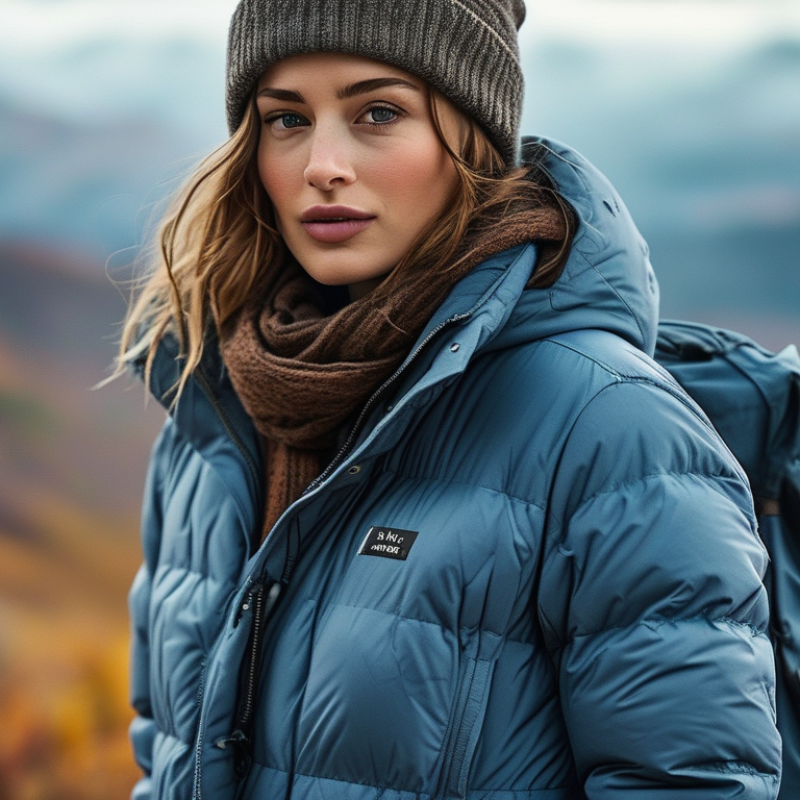
When selecting a duck down jacket, understanding the types and sources of down materials is crucial. Duck down comes from the soft layer beneath a duck's feathers. It provides excellent insulation, making it a popular choice for cold weather apparel. Different goose and duck species yield varying quality and warmth. Lesser-known breeds may offer less insulation and durability, so research is essential.
The sourcing of down also plays a role in the jacket's ethical standards. Responsible manufacturers ensure their down is sourced humanely. Look for certifications that guarantee the down is not from live-plucked birds. Such practices raise questions about animal welfare. Transparency in sourcing can guide your choices, impacting the quality and price of the jacket.
Not all down jackets are created equal. Some may contain feathers mixed with down, reducing their insulating properties. Checking the fill power can provide insight into the jacket's warmth. Higher fill power usually equates to better insulation and a lighter weight. However, consider your personal preferences for warmth and weight. Weighing these factors will lead to a more thoughtful decision on your down jacket purchase.
When selecting a duck down jacket, certain key features stand out. Insulation quality is paramount. High-quality down provides warmth without extra weight. According to the American Outdoor Society, a fill power of 600 or higher is ideal for optimal insulation. This means the down is fluffy and traps body heat effectively.
Another essential feature is the shell material. Jackets made with water-resistant fabrics protect against moisture. This ensures the down maintains its loft and warmth. A study by the Outdoor Industry Association found that moisture can significantly reduce a jacket’s insulating abilities. Consider options with a durable water-repellent (DWR) finish for extended protection.
Check the jacket’s design as well. Look for features like adjustable hoods, cuffs, and hems. These elements enhance comfort and keep cold air out. Additionally, weight matters. A balance of portability and warmth is crucial for outdoor activities. Users often reflect on how a heavy jacket can limit mobility, so finding a lightweight option can enhance your experience. Each of these features contributes to your overall satisfaction with the jacket.
When selecting a duck down jacket, it's crucial to evaluate its warmth-to-weight ratio. This ratio measures how warm the jacket feels compared to its weight. A higher ratio indicates a lighter jacket that keeps you warm. Look for jackets with impressive insulation without being bulky. A sleek design often results in better layering options.
Insulation effectiveness is another core aspect. The fill power of the down is a significant factor. Higher fill powers mean better heat retention. A 600 fill power jacket offers basic insulation, while an 800 fill power provides superior warmth. While performance is vital, the overall fit should not be overlooked. If the jacket is too big or too tight, it can compromise warmth. Try on various options to see how they feel during movement.
Consider the conditions you'll face. Will you be in damp weather or extreme cold? A jacket with a water-resistant outer layer may be necessary. Additionally, think about the longevity of the jacket. Not all down jackets withstand wear and tear equally. Reflecting on your specific needs can lead you to the right choice. Sometimes, it is essential to prioritize warmth over style or weight. This personalized approach will ensure you find a jacket that truly meets your needs.
| Jacket Model | Weight (grams) | Fill Power | Insulation Type | Temperature Rating (°C) | Warmth-to-Weight Ratio |
|---|---|---|---|---|---|
| Model A | 500 | 700 | Duck Down | -10 | 1.4 |
| Model B | 700 | 800 | Duck Down | -15 | 1.1 |
| Model C | 450 | 900 | Duck Down | -12 | 2.0 |
| Model D | 600 | 750 | Duck Down | -8 | 1.2 |
When choosing a duck down jacket, sizing and fit are essential for comfort and mobility. A properly fitted jacket allows for layering underneath without being too snug. Look for a jacket that allows you to move your arms freely. You shouldn't feel restricted when reaching for something.
Measuring your chest, waist, and hips can provide a good baseline. Check size charts; they vary by manufacturer. Pay attention to shoulder width as well. If the jacket feels tight in this area, it may limit your range of motion. Consider how you'll layer the jacket over other clothing.
Many people overlook the importance of sleeve length. Sleeves should cover your wrists, even when you extend your arms. If they ride up, it can be uncomfortable. Experiment with different styles; some jackets have adjustable hems, which can help with fit. Lastly, consider trying jackets on with the type of clothing you plan to wear underneath. That will help ensure you stay warm and comfortable on colder days.
Duck down jackets are known for their warmth and comfort. To ensure they last, proper care is essential. According to research by the Global Textile Institute, improper maintenance can reduce the lifespan of down jackets by up to 50%. Regular cleaning is crucial. Use a front-loading washing machine with a gentle cycle. Avoid top-loading machines as they can damage the material.
Drying is another vital step. Use a low heat setting and add dryer balls to maintain fluffiness. Prolonged exposure to high heat can cause the down to clump. In a survey conducted by the Outdoor Apparel Association, 65% of consumers reported that proper drying techniques significantly improved the insulation of their jackets.
Storage matters too. If you fold and compress your jacket for a long time, it loses its loft. Hang it in a cool, dry place. Stains should be treated promptly to avoid permanent damage. A mix of water and mild detergent works well for spot cleaning. Many users overlook these basics, leading to unnecessary wear and tear. Understanding these care tips can greatly enhance the longevity of your duck down jacket.
This chart illustrates the importance ratings for various criteria to consider when choosing a duck down jacket. Warmth is rated the highest, followed by compressibility and price, while water resistance is considered the least important based on user preferences.
: A fill power of 600 or higher is ideal for optimal insulation.
Water-resistant fabrics help maintain the down's loft and warmth.
Moisture can significantly reduce a jacket’s insulating abilities.
Adjustable hoods, cuffs, and hems keep cold air out and improve comfort.
A lightweight jacket balances portability and warmth for outdoor activities.
It measures how warm the jacket feels compared to its weight.
Higher fill powers indicate better heat retention and insulation quality.
A poor fit can compromise warmth, making it essential to try various options.
Think about whether you'll face damp weather or extreme cold; select accordingly.
Sometimes, prioritizing warmth over style ensures you find the right jacket for your needs.
When selecting the best Duck Down Jacket for your needs, it is crucial to understand the various types and sources of down materials, as they greatly influence the jacket's performance and comfort. Key features to consider include the quality of insulation, the warmth-to-weight ratio, and how effectively the jacket retains heat. Additionally, having the right size and fit is essential to ensure optimal comfort and mobility, allowing for a full range of motion in various activities.
To ensure longevity, proper care and maintenance of your Duck Down Jacket are important. This involves regular cleaning and appropriate storage practices to maintain the loft and insulating properties of the down. By following these guidelines, you can choose a Duck Down Jacket that not only meets your specific needs but also provides enduring warmth and comfort for years to come.

Zhongda Wincome