A Softshell Jacket can feel like the right choice before the trail even begins: flexible fabric, a quiet finish, and room to move when the path turns steep. Yet one jacket rarely suits every outing. Wind, light rain, temperature, fit, and activity all change what “best” means.
For a transparent editorial perspective, this guide uses a fictional composite gear specialist, Alex Rowan—not a real expert or a source of verified quotations. Rowan’s guiding line is: “Choose for the weather you meet, not the label you read.” It is a useful reminder, though not a substitute for checking fabric details or testing fit yourself.
Our ten picks for men and women are considered across practical details: stretch, breathability, weather resistance, pocket placement, and layering room. Picture a cool morning, damp brush, and a pack strap pressing across your shoulders. Small design choices matter there. So does comfort after several hours.
No jacket wins every comparison. A water-resistant shell may handle drizzle but still need help in sustained rain. Fit can vary between brands, and sizing charts are not always perfect. That deserves a second look. This roundup aims to make those trade-offs clearer, so you can match a jacket to your routine—not just its marketing.
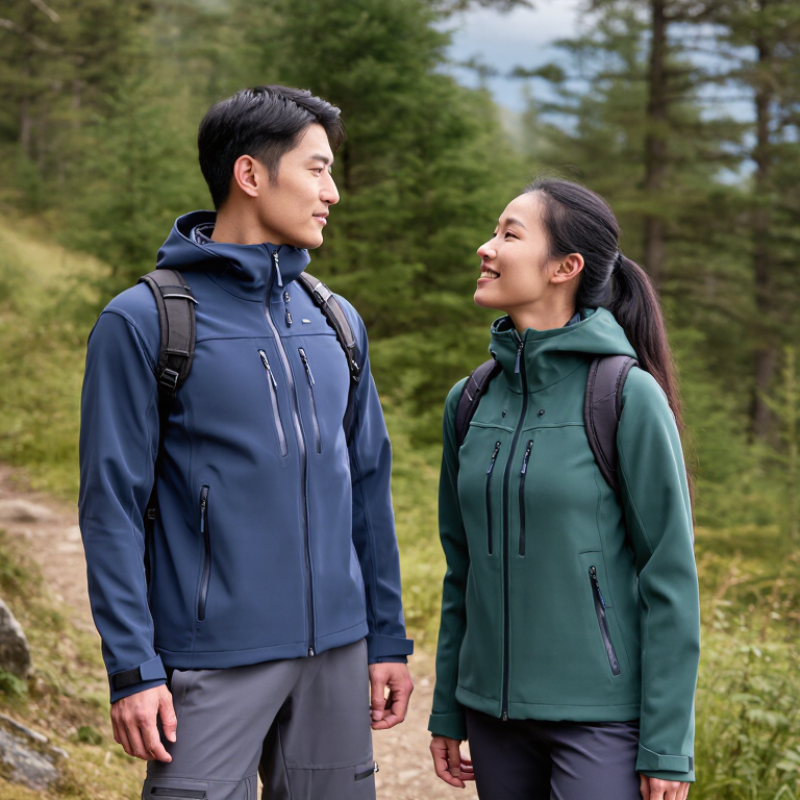
A softshell jacket is made for movement and changing conditions. Its fabric is usually stretchy and breathable, with a tightly woven face that sheds light wind and brief showers. Some designs add a water-resistant membrane, but softshells are not automatically waterproof. Seams and fabric construction matter. On a damp trail, a softshell can handle mist; steady rain may soak through.
Compared with a hardshell, a softshell often feels quieter and less stiff, making it comfortable for hiking, cycling, or active work. A hardshell offers stronger protection in prolonged rain, though it may feel clammy during hard effort. Fleece is warmer and soft against the skin, but usually blocks less wind. Insulated jackets trap more heat; many softshells rely on layering instead. That balance matters. Not magic, though. I used to assume every softshell suited cold weather, but thin models can feel chilly when activity slows.
Tips: Check the care label and test water beading after washing. Wear a light base layer for movement, then add insulation when you stop. If rain is forecast for hours, bring a waterproof shell. A softshell’s comfort is real, but its limits are easy to underestimate.
A good softshell jacket should match your movement, climate, and layering habits. On a windy ridge, I value a close hood, adjustable cuffs, and a hem that stays flat under a pack. Stretch matters too. A stiff jacket can turn a simple reach into an awkward movement. The Outdoor Industry Association’s 2024 Outdoor Participation Trends Report recorded 175.8 million U.S. outdoor participants in 2023, showing how widely these demands vary.
Check breathability before chasing maximum weather protection. Look for a stated moisture-vapor transmission rate, but compare test methods carefully. Ratings are not always directly comparable. A jacket that feels dry during a brisk walk may become clammy during uphill effort. Small pit zips can help. So can a lighter lining. I still tend to overvalue high water-resistance numbers, even though ventilation often matters more during active use.
Inspect the fabric face, stretch recovery, and pocket placement. Textile Exchange’s 2024 Materials Market Report states that polyester represented about 57% of global fiber production in 2023, so recycled-content claims deserve closer examination. Ask whether the material percentage refers to the whole jacket or only one panel. A durable water-repellent finish can handle light rain, but it is not a substitute for a waterproof shell. Test the hood with gloves. Check whether the zipper catches. These small failures become irritating outside. Fit remains personal, and online size charts can mislead. Try the jacket over a mid-layer, not a thin shirt.
The 10 Best Softshell Jackets for Men and Women
A good softshell balances wind protection, stretch, and breathability. These ten styles suit different bodies, weather, and daily routines. A lightweight hooded jacket works well for brisk walks and changing skies. A fleece-lined option adds comfort on cold mornings, though it can feel too warm during steep climbs. A minimalist, unlined shell packs easily for travel. A water-resistant design helps in drizzle, but it should not replace a waterproof jacket in steady rain.
For active use, consider a close-fitting climbing jacket with flexible fabric and pockets that stay clear of a harness. A longer-cut hiking style offers extra coverage when a pack shifts. A women’s contoured fit may reduce bunching at the waist; a men’s cut often allows more room through the shoulders. Fit varies, so try the jacket with the layers you actually wear.
A cycling-oriented softshell can add wind-blocking panels, while a casual stretch jacket suits errands and light trail use. There is also a warm, high-collar design for exposed walks, and a packable hybrid with breathable panels for fast-paced outings.
Small details matter.
Check zipper movement with gloves, cuff adjustment, and whether the hem rides up when you reach overhead. Breathability is easy to overlook until your back feels damp. Not every feature earns its place. Choose based on your usual conditions, and remember that “water-resistant” has limits.
A softshell jacket works best when its stretch, breathability, and weather resistance match the day’s demands. For hiking uphill or cycling, choose a lighter, more breathable fabric. You will warm up quickly once you start moving. For windy ridgelines or cool evening walks, a closer fit and a snug hood can help reduce drafts. Check that sleeves cover your wrists when you reach forward, and that pockets remain easy to access with a pack’s hip belt fastened.
Softshells usually handle light drizzle and brief showers, but they are not a dependable substitute for a waterproof shell in prolonged rain. I have found this easy to underestimate: a jacket can feel protective at first, then grow damp during a long, wet outing. Match the fabric’s thickness to your pace and temperature, too. A heavily insulated option may feel comfortable at a cold trailhead but become clammy during a steep climb. Fit matters beyond comfort; leave enough room for a thin insulating layer without letting loose fabric flap in strong wind.
Tips: Try on the jacket with the layers you actually wear. Raise your arms, twist, and bend to check for pulling. Look for adjustable cuffs and a hem that stays put. If your route has changing weather, carry a lightweight waterproof layer rather than expecting one jacket to handle everything.
| Jacket Type | Best Fit | Best For | Typical Construction | Weather Performance | Key Features to Look For | Best Conditions | Main Limitation |
|---|---|---|---|---|---|---|---|
| Lightweight stretch softshell | Men and women | Day hikes, travel, brisk walks | Thin woven stretch fabric, usually uninsulated | Breathable; sheds light wind and brief drizzle | Low bulk, stretch panels, adjustable hem, secure hand pockets | Cool, dry weather and active movement | Provides little warmth on its own and is not a substitute for a rain shell in prolonged rain. |
| Fleece-lined softshell | Men and women | Cold-weather walking, commuting, casual outdoor use | Stretch outer fabric with a brushed or fleece backing | Blocks some wind and retains more warmth than an unlined shell | Comfortable lining, chin guard, adjustable cuffs, roomy layering fit | Cold, mostly dry days | Can feel too warm during strenuous activity and may dry more slowly than an unlined jacket. |
| Hooded hiking softshell | Men and women | Hill walking, day hikes, changeable trailside weather | Durable stretch-woven fabric, often with a close-fitting hood | Useful wind resistance and light precipitation protection | Helmet-compatible or adjustable hood, articulated elbows, breathable fabric | Windy, cool conditions with occasional light showers | Most softshell fabrics are water-resistant rather than fully waterproof. |
| Climbing softshell | Men and women | Rock climbing, scrambling, alpine approaches | Hard-wearing, highly stretchable fabric with a trim cut | Good freedom of movement and wind protection; limited rain protection | Harness-compatible pockets, reinforced high-wear areas, helmet-compatible hood | Dry, breezy conditions where mobility matters | Trim designs may leave limited room for thick midlayers. |
| Wind-resistant running softshell | Men and women | Trail running, fast hiking, cold-weather training | Lightweight, breathable stretch fabric with targeted wind protection | Helps reduce wind chill while allowing heat and moisture to escape | Low weight, ventilation, reflective details, secure small-item pocket | Cool, windy weather during high-output exercise | Usually offers minimal insulation and may not withstand sustained heavy rain. |
| Water-resistant commuter softshell | Men and women | Walking, cycling to work, everyday errands | Midweight woven shell with a water-repellent finish | Handles light rain and wind; performance depends on fabric and seam construction | Clean-cut design, adjustable hood, hand pockets, reflective accents for cycling | Cool urban weather and short trips in light showers | Water-repellent fabric can wet through in prolonged or heavy rain. |
| Mountain biking softshell | Men and women | Trail riding and cool-weather cycling | Stretch fabric with a longer back and room for riding layers | Wind-resistant, breathable, and often treated to shed light spray | Drop tail, articulated sleeves, helmet-compatible hood or high collar | Cool, breezy trails and damp conditions without persistent rain | May be less protective than a dedicated waterproof cycling jacket in heavy rain. |
| Softshell ski touring jacket | Men and women | Ski touring, snowshoeing, uphill winter travel | Breathable stretch shell, sometimes with a light brushed interior | Balances wind protection and ventilation during sustained effort | Helmet-compatible hood, underarm ventilation, ski-compatible pockets | Cold, dry snow conditions and high-output movement | Typically less weatherproof than a hardshell during wet snow or a storm. |
| Insulated softshell | Men and women | Cold-weather outdoor work, easy hikes, standing around outdoors | Softshell face fabric combined with light synthetic insulation | Provides more warmth and wind protection than an uninsulated softshell | Even insulation, adjustable hem, cuffs that seal comfortably | Cold, dry conditions and lower-intensity activity | Less packable and less breathable than a lightweight uninsulated option. |
| Packable softshell | Men and women | Travel, day trips, variable spring and autumn weather | Lightweight construction designed to compress into a bag or pocket | Offers basic wind resistance and limited protection from light showers | Low packed volume, durable zipper, adjustable hem, practical storage pocket | Mild, changeable weather when a compact extra layer is useful | Lightweight fabric may be less abrasion-resistant and less warm than heavier options. |
Selection note: Softshell performance varies by fabric, fit, and construction. For prolonged heavy rain, choose a waterproof rain shell; for warmth, layer a softshell over a suitable base or midlayer.
Choosing a softshell jacket starts with movement, not the mirror. Try it over a thin base layer and a midweight fleece. Reach forward, lift your arms, and check whether the hem exposes your lower back. The shoulder seams should sit near the shoulder edge, without pulling across the chest. A close fit reduces wind entry, but excessive tightness limits insulation. I once chose a sleek, narrow cut for a long hike. It looked neat, yet my shoulders felt cramped by midday. That mistake changed how I judge fit.
Layer according to effort and weather. For brisk walking, a moisture-wicking shirt under the softshell may be enough. In cold, dry conditions, add a light fleece with room for arm movement. Avoid a bulky cotton layer; it holds sweat and dries slowly. During uphill work, open the front zip before the fabric becomes damp inside. For steady rain, remember that many softshells resist showers but are not fully waterproof. Check the fabric rating and seam construction instead of trusting a vague label. Weather changes quickly.
Care begins with the washing instructions sewn inside the garment. Close zippers, remove loose items, and use a gentle cycle with mild detergent. Fabric softener can reduce water resistance, so I avoid it. Air-dry the jacket unless the care label permits low heat. After several washes, renew the durable water-repellent finish only when water stops beading. Inspect cuffs, zippers, and seams after every demanding trip. Small repairs are easier before a tear spreads. Still, my own choices are not always perfect; comfort can matter more than a technically ideal layer.
Softshells typically favor breathability and stretch over full rain protection. Ratings are a qualitative guide, not standardized test results; performance varies by fabric, construction, and fit. For prolonged heavy rain, choose a waterproof shell and follow the jacket’s care label.
Check stretch, breathability, hood adjustment, cuffs, hem stability, fabric thickness, and pocket placement. The small details matter. Test the zipper with gloves. Make sure the hem stays flat under a backpack.
Try it over your usual base layer and mid-layer. Raise your arms, reach forward, twist, and bend. The shoulders should move freely without chest tension. A close fit blocks drafts, but excessive tightness restricts insulation.
Most softshell jackets manage light drizzle and brief showers. They usually cannot replace a waterproof layer during prolonged rain. Wet fabric may feel comfortable at first, then become clammy. Carry a lightweight waterproof layer when the forecast looks uncertain.
Breathability often matters more than maximum water resistance during active movement. A highly protective jacket can trap heat on steep climbs. Look for moisture-vapor information, but compare testing methods carefully. Small ventilation zips can help release rising heat.
Choose a lighter, stretchier fabric for uphill hiking or cycling. You will warm up quickly once movement begins. Check that sleeves cover your wrists when reaching forward. Pockets should remain usable with a backpack hip belt fastened.
A moisture-wicking shirt may be enough during brisk walking. Add a light fleece in cold, dry conditions. Leave room for arm movement. Avoid bulky cotton because it holds sweat and dries slowly.
Look for a snug hood, adjustable cuffs, and a hem that stays secure. The hood should turn with your head without blocking vision. Test it while wearing gloves. Loose fabric can flap loudly on exposed ridges.
Follow the sewn care label. Close zippers, remove loose items, and use mild detergent on a gentle cycle. Avoid fabric softener because it may reduce water resistance. Air-dry the jacket unless low heat is specifically permitted. Renew the water-repellent finish only when water stops beading.
Do not choose a jacket only because it looks neat or has a high resistance rating. A narrow cut may feel fine indoors but restrict your shoulders later. I sometimes overvalue technical numbers. Movement, ventilation, and actual layering habits deserve equal attention.
A Softshell Jacket offers a versatile balance of comfort, breathability, and protection from wind and light moisture, making it a practical choice for changing conditions. Unlike heavily insulated or fully waterproof outerwear, it is typically designed to support movement and release excess heat during active use. When comparing options, consider fabric stretch, weather resistance, ventilation, pockets, hood design, and overall durability. This guide reviews ten strong choices for men and women, highlighting how different designs suit everyday wear, hiking, travel, and other outdoor activities.
Choosing the right jacket depends on the climate, activity level, and layers you plan to wear beneath it. A close but comfortable fit helps preserve mobility, while enough room for a base layer or light midlayer adds flexibility in cooler weather. Check sizing and construction details before buying, and follow the care instructions to help maintain the fabric’s performance. With the right combination of fit, features, and use, a Softshell Jacket can be a reliable part of a flexible outdoor clothing system.

Zhongda Wincome