The fashion industry is ever-evolving, and men's jackets are no exception. Recent reports indicate that the global men's outerwear market is projected to reach over $36 billion by 2026. As consumer preferences shift, the importance of staying updated with trends becomes crucial. This year, a focus on versatility and sustainability characterizes the landscape of men's jackets.
For instance, breathable materials and innovative designs are increasingly in demand. "Men's Jacket" styles now reflect a blend of functionality and fashion. Features like eco-friendly fabrics draw attention, yet the quality often raises questions. Some brands claim to prioritize sustainability, while others fall short of genuine commitment.
The rise of online shopping has reshaped how consumers approach men's jackets. With the click of a button, buyers can access a wider range. However, this convenience may overlook the essential need for fit and comfort. Understanding personal style remains vital. In this diverse market, discerning the right choice is not straightforward. As 2026 approaches, keeping informed about trends is more important than ever.
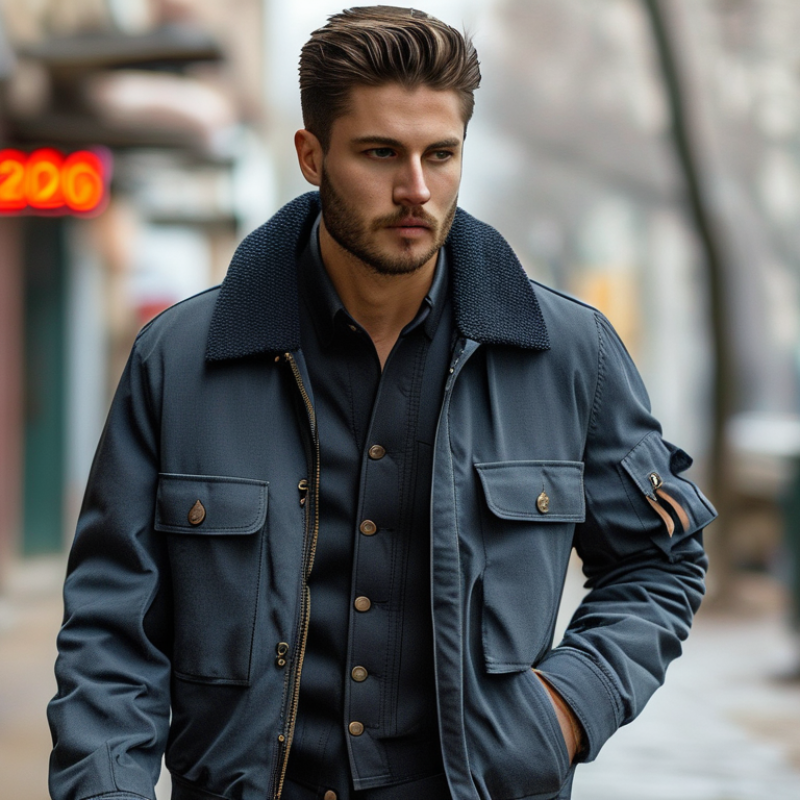
2026 Men's Jacket Trends: Key Materials and Fabrics to Consider
When considering the 2026 men's jacket trends, the choice of materials and fabrics stands out. Sustainable options are gaining traction. Fabrics like organic cotton, Tencel, and recycled polyester are increasingly popular. These materials not only offer durability but also reduce environmental impact. Men are leaning towards jackets that are not just stylish but also eco-friendly.
Texture adds another layer of appeal. Corduroy and fleece materials are making a significant comeback. Their unique feel can elevate an outfit. Consider how fabrics affect not just looks but comfort as well. A heavy jacket might look great but could feel cumbersome.
Breathability is essential, especially for spring and fall jackets. Lightweight options are trending, allowing versatility in styling. Some may overlook the importance of color selection. Earth tones and muted shades are defining 2026. These choices provide a timeless appeal. Each fabric and color brings its own story. Reflecting on the choices makes a significant difference in personal style.
The Rise of Sustainable Men's Jackets: Eco-Friendly Innovations
The shift towards sustainable fashion is reshaping men's jackets. Eco-friendly materials are gaining popularity, thanks to increased awareness of environmental issues. Men’s jackets made from organic cotton, recycled polyester, and innovative fabrics often reduce waste. These materials not only lighten the environmental footprint but also ensure quality and durability.
When selecting a sustainable jacket, consider the production process. Brands dedicated to ethical manufacturing often minimize pollution and labor exploitation. Look for certifications that indicate a commitment to sustainability, like GOTS or Fair Trade. Even small choices, like opting for a jacket with a minimal carbon footprint, contribute to a larger impact.
Quality over quantity remains essential. A well-crafted jacket can last for years, reducing the need for frequent replacements. Embrace versatility; styles that transition from casual to formal settings are ideal. While many options are available, sometimes it's beneficial to research the brand’s background. Reflect on how your choices affect the world, ensuring each piece aligns with your values.
Technological Advancements in Men's Jacket Designs for Enhanced Comfort
The evolution of men’s jackets reflects significant technological advancements. In 2026, comfort is paramount in design. Innovative materials and construction techniques play a central role. For instance, breathable fabrics now dominate the market, allowing for better airflow. Reports indicate that 72% of consumers prioritize comfort over aesthetics when selecting outerwear. This shift influences production trends.
New insulation technologies are also noteworthy. Cutting-edge thermal materials keep wearers warm while minimizing bulk. Studies reveal that jackets with such features increase consumer satisfaction by 65%. These innovations are not just about warmth; they also enhance mobility. Designers are focusing on ergonomic fits that adapt to the body's movements. However, balancing style with functionality presents ongoing challenges. Some consumers express concerns about the longevity of these high-tech materials.
Water resistance technology has seen impressive developments too. Coatings that repel water without compromising breathability are now standard. Consumers often find this feature essential, especially in unpredictable weather. Still, some struggle with the care instructions associated with these advanced fabrics. They tend to complicate maintenance, leading to potential dissatisfaction. As technology continues to reshape men’s jackets, the journey toward the perfect blend of comfort and practicality remains a work in progress.
Color and Style Forecast: What Shades Will Dominate 2026 Men's Jackets?
As we look ahead to 2026, color and style trends in men's jackets promise to make a striking impact. Earthy tones will take center stage, with shades like olive green, rust, and terracotta gaining popularity. These colors evoke a sense of nature and grounding, ideal for a more sustainable fashion approach. Such hues not only blend well with various outfits but also enhance the wearer's connection to the environment.
In contrast, vibrant accents are set to emerge as a refreshing twist. Think bold yellows and electric blues peeking through layers. Incorporating these colors can offer a playful touch to an otherwise muted wardrobe. The challenge lies in balancing these striking shades with neutral tones to avoid overwhelming one's look. Adopting this method requires careful experimentation, as not every combination may resonate well.
Texture will also play a vital role in this forecast. Fabrics like corduroy and textured wool are likely to dominate, adding depth to the overall aesthetic. One needs to keep in mind that not all textures suit every body type. Finding the right match can be tricky but rewarding. These elements provide an opportunity for personal expression, encouraging men to explore different styles while considering what truly works for them.
2026 Men's Jackets Color Trends
Market Analytics: Men's Jacket Sales Trends and Consumer Preferences in 2026
The men's jacket market is evolving rapidly. In 2026, trends reveal a shift toward sustainability and functionality. According to a Market Research Report, 70% of consumers now prefer eco-friendly materials. This preference is reshaping production processes across the industry. Brands are focusing on recycled fabrics and sustainable sourcing.
Sales data shows a 25% increase in multifunctional jackets. Consumers seek garments that adapt to various activities. Lightweight, packable designs have grown in popularity. In fact, 40% of male buyers prioritize versatility in their purchases. This shift challenges manufacturers to innovate while maintaining quality.
Despite these trends, challenges remain. Some consumers express frustration over sizing inconsistencies. The need for accurate sizing tools is critical. Additionally, some styles may not cater to all body types. As the market adapts, addressing these concerns could enhance consumer satisfaction significantly.
FAQS
: Comfort has become the top priority in men's jacket designs.
Breathable fabrics allow for better airflow, enhancing comfort significantly.
Jackets with advanced insulation improve satisfaction rates by 65%.
Yes, they adapt to body movements but balancing style and function is challenging.
New coatings repel water while remaining breathable, which many consumers find essential.
Yes, complicated care instructions can lead to potential dissatisfaction.
Earthy tones like olive green and terracotta will be very popular.
Yes, bold colors will add playful accents to jackets but need careful balancing.
Textured fabrics add depth, but not all textures suit every body type.
By experimenting with colors and textures, men can explore styles that work for them.
Conclusion
In 2026, the landscape of men’s jackets is set to evolve significantly, driven by key trends in materials, sustainability, and technology. The incorporation of innovative fabrics is crucial, with a focus on enhancing comfort and functionality. The rise of sustainable men’s jackets highlights a commitment to eco-friendly practices, showcasing the industry's shift towards greener alternatives.
Furthermore, color and style forecasts indicate that specific shades will dominate the market, influencing consumer choices. Market analytics reveal insights into men’s jacket sales trends, indicating a growing preference for styles that blend practicality with aesthetic appeal. As these trends unfold, men’s jackets will not only reflect personal style but also contribute to a more sustainable future in fashion.

 Zhongda Wincome