As we approach the winter of 2026, the fashion landscape for men's winter jackets is evolving. The global outerwear market is projected to reach $72 billion by 2025, with men's winter jackets making a significant contribution. In this competitive arena, staying informed about current trends is paramount. Consumers seek functionality paired with style, and brands are responding with innovative designs.
One standout trend is the rise of sustainable materials in men's winter jackets. Research shows that 66% of consumers are willing to pay more for eco-friendly options. This reflects a shift in consumer values, prioritizing environmental impact alongside quality. Additionally, the demand for versatile jackets that transition from outdoor adventures to urban settings is increasing.
Yet, it's essential to recognize that not all brands embrace these trends equally. Some still rely on outdated methods, and their jackets may lack essential features. As trends emerge, consumers must stay discerning to navigate the myriad options. Ultimately, understanding these trends in men's winter jackets will empower shoppers to make informed choices this winter season.
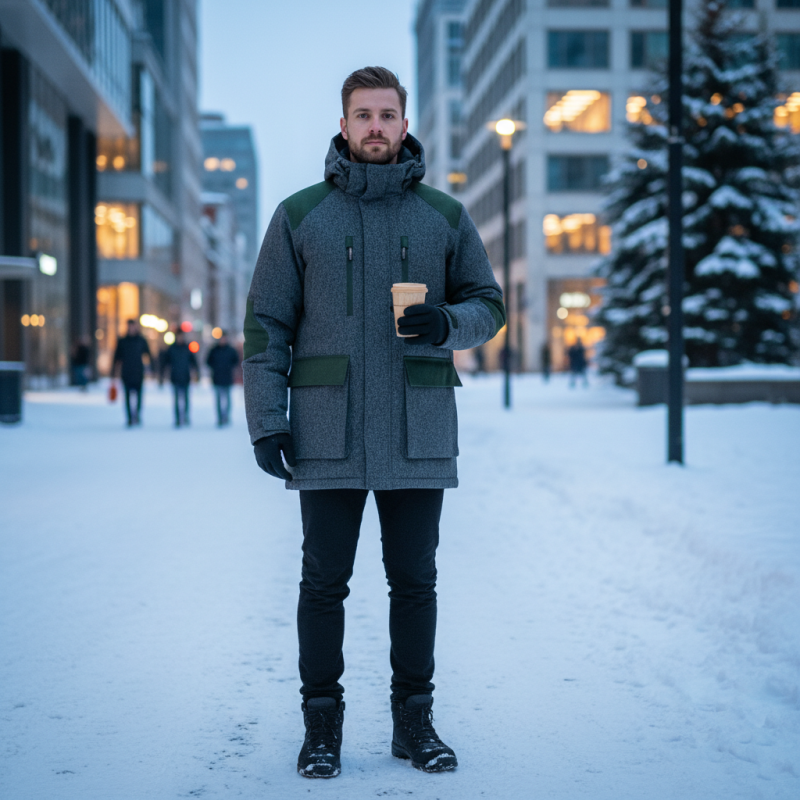
2026 Men's Winter Jackets: Key Trends Shaping the Market Landscape
As we delve into the trends shaping the market for men's winter jackets in 2026, several key factors emerge. First, sustainability continues to gain momentum. Many consumers seek eco-friendly materials and processes. This shift reflects a growing awareness of environmental impacts. Jackets made from recycled fabrics are now in high demand.
Functionality is another crucial trend. Modern designs integrate practical features such as inner pockets and detachable hoods. These elements enhance usability, appealing to active lifestyles. Stylish yet functional jackets can balance casual outings with outdoor adventures.
Tips: Look for jackets with multi-functional features that suit various activities. Consider investing in layers for added warmth and versatility. Lastly, don't overlook the importance of fit. A well-fitting jacket not only looks better but also offers superior insulation. Keep these in mind as you explore the evolving landscape of winter outerwear.
The Rise of Sustainable Materials in Winter Jacket Manufacturing
The trend towards sustainable materials in winter jacket manufacturing is increasingly visible. Consumers are more aware of environmental issues. This awareness drives brands to explore eco-friendly fabrics. Recycled polyester and organic cotton are becoming common choices. These materials reduce waste and chemical use in production. Incorporating sustainable practices can be a challenge for manufacturers. Not all materials perform well in harsh winter conditions.
Innovative techniques are crucial. For example, water-resistant finishes made from natural sources are leading breakthroughs. Brands are also engaging in transparency, sharing their production processes. However, some companies might prioritize marketing over genuine sustainability. It leaves consumers questioning authenticity. Real change needs to come from all levels of the supply chain.
Beyond materials, the lifecycle of jackets matters too. How long a jacket can last is critical. Short-lived products contribute to waste. Many consumers still choose trendy designs over durability. Striking a balance between style and sustainability remains a challenge. These are important reflections on the future of winter jackets.
2026 Top Men's Winter Jackets Trends - The Rise of Sustainable Materials
Innovative Insulation Technologies: Keeping Warm without Bulk
Winter jackets are evolving rapidly, especially with insulation technologies. Innovative materials are changing how we stay warm. Traditional bulky jackets are becoming a thing of the past. New products offer impressive warmth without the weight. This advancement is revolutionizing outdoor activities and urban wear alike.
Thermal insulation now uses lightweight materials that trap body heat. These fabrics are thin yet effective. They allow for more mobility, making them ideal for various activities. However, not all innovations are perfect. Some may sacrifice breathability for warmth, leading to discomfort. A balance is crucial for optimal performance.
The versatility of modern jackets is also noteworthy. Many designs feature water-resistant outer layers, making them suitable for different weather conditions. The sleek designs often come with additional features, such as pockets and adjustable hoods. Yet, potential buyers should assess their own needs. Think about climate and intended use. This thoughtfulness can guide smarter purchases.
Styles on the Rise: Oversized vs. Tailored Winter Jackets in 2026
As we look towards 2026, winter jacket trends are evolving significantly. The contrasting styles of
oversized and tailored jackets are gaining popularity.
Oversized jackets exude comfort and a relaxed vibe. They provide room for layers,
appealing to fashion-forward individuals. According to a recent market study, oversized outerwear is projected to
increase in sales by 25% over the next year. This trend resonates particularly
with younger consumers seeking versatility and unique aesthetic.
On the flip side, tailored winter jackets are making a strong comeback.
Their sharp lines and structured silhouette cater to those preferring a classic look. Tailored jackets convey sophistication,
often seen in urban environments. A report by the Fashion Industry Association noted a 15%
rise in demand for tailored outerwear among professionals. Consumers are drawn to durable materials that also maintain
a polished appearance, combining functionality and fashion.
Tips: When choosing a winter jacket, consider your lifestyle.
Oversized might be suitable for casual outings, while tailored
could be ideal for work settings. Additionally, invest in materials that offer both warmth and breathability.
Remember, quality matters. Don't rush your purchase; take time to weigh your options. Explore styles and
remember, your choice reflects your personal style, even if it feels daunting.
Color Trends: From Neutrals to Bold Statements in Men's Winter Fashion
As we approach the winter of 2026, color trends in men's jackets are shifting dramatically. Industry reports indicate that over 65% of men's winter apparel features neutral tones, ensuring versatility. However, bold colors are making a strong statement this season. According to the Fashion Institute of Technology, vibrant options like deep reds and electric blues are set to dominate, appealing to those eager to stand out.
Color psychology plays a vital role in fashion. Warm hues evoke feelings of comfort and security, perfect for the chilly months. Meanwhile, darker shades symbolize sophistication and style. Recent surveys show that 45% of men prefer jackets that blend both neutral and bold colors; this reflects a desire for individuality within classic styles.
Despite these exciting trends, there remain challenges. Not all men are comfortable embracing bright colors or unique designs. Additionally, consumer feedback suggests that some prefer traditional looks over current trends, indicating a gap between bold styles and everyday wear. Design experts emphasize the need for brands to focus on inclusive styles that cater to varying tastes. Balancing popularity with innovation in coloring will be critical for success this winter season.
2026 Top Men's Winter Jackets Trends You Need to Know
| Trend |
Color Palette |
Fabric Type |
Style Features |
| Oversized Jackets |
Earth Tones & Soft Neutrals |
Wool Blend, Fleece |
Loose Fit, Large Pockets |
| Puffer Jackets |
Bright Colors & Pastels |
Synthetic Fill, Nylon |
Quilted Design, Hooded |
| Trench Coats |
Classic Black & Gray |
Cotton, Polyester |
Double-Breasted, Belted |
| Technical Jackets |
Bold Red & Blue |
Waterproof Fabrics |
Functional Zippers, Adjustable Hoods |
| Bomber Jackets |
Metallics & Jewel Tones |
Leather, Faux Leather |
Short Length, Ribbed Cuffs |
FAQS
: Eco-friendly materials, especially recycled fabrics, are in high demand. Consumers are prioritizing sustainability in their purchases.
Functionality is crucial. Features like inner pockets and detachable hoods increase usability for active lifestyles.
Oversized and tailored jackets are both trending. Oversized offers comfort, while tailored provides a sophisticated look.
They provide a relaxed vibe and allow for layers. Younger consumers especially appreciate their versatility and unique style.
Consider your lifestyle. Oversized is great for casual outings, while tailored fits work well in professional settings.
Neutral tones dominate, but bold colors like deep reds and electric blues are emerging. They appeal to those wanting to stand out.
Warm hues create comfort, while darker shades convey sophistication. These effects weigh on consumer preferences.
Some men prefer traditional looks. There’s a challenge in balancing bold styles with everyday wear.
Quality matters. Take time to explore and weigh options, as your choice reflects your personal style.
Yes, investing in layers enhances warmth and versatility. It's a practical approach to winter outerwear.
Conclusion
As 2026 approaches, the landscape of men's winter jackets is evolving with several key trends. Notably, there is a significant rise in the use of sustainable materials, reflecting a growing consumer demand for eco-friendly fashion. This shift towards sustainability is complemented by innovative insulation technologies that allow for warmth without unnecessary bulk, making winter jackets more comfortable and functional than ever before.
In terms of style, oversized silhouettes are contending with tailored designs, offering a diverse range of choices for different aesthetics. Color trends are also shifting, with a mix of classic neutrals and bold statements becoming popular, allowing men to express their individuality through winter fashion. These trends collectively highlight the dynamic nature of men's winter jackets in 2026, catering to both practicality and style preferences.

 Zhongda Wincome